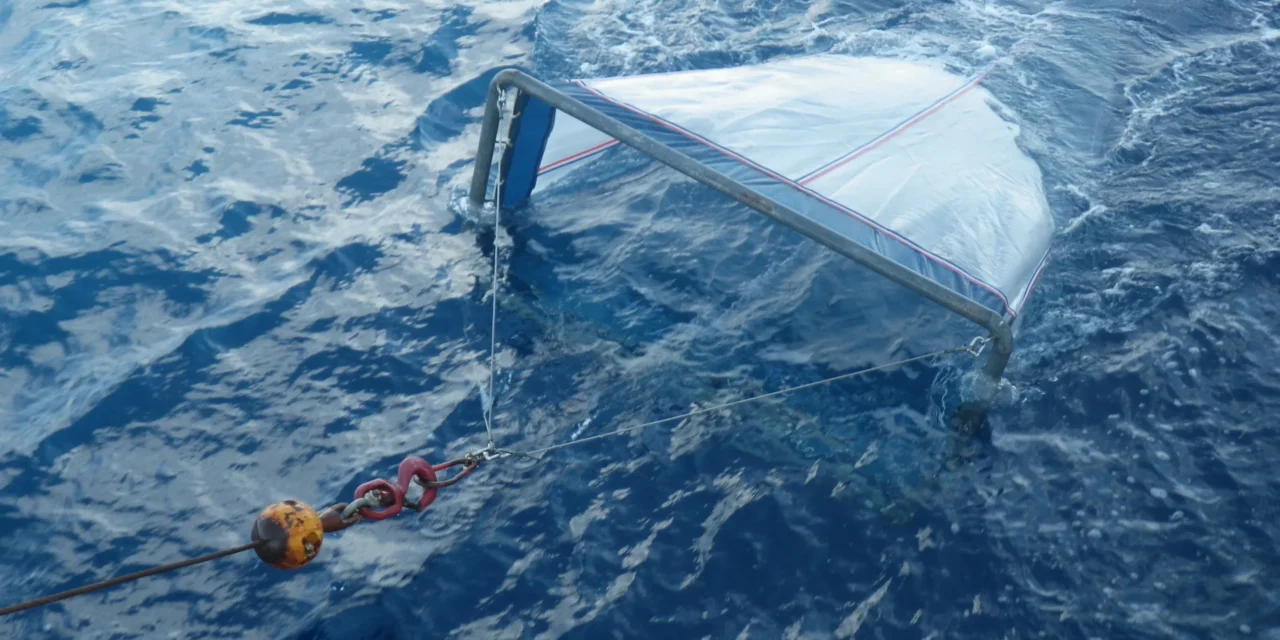
SeaKeepers is seeking volunteers to conduct plankton collection with the use of Neuston Nets. These fine-mesh nets are usually towed behind boats to collect samples of neustonic organisms which live at the surface of the ocean. This unique program spans a wide range of research topics, including other sampling such as algae and plastics.
Thanks to SeaKeepers’ unique access to neuston nets, vessels around the world are paired with ongoing research projects. Citizen scientists are provided with onboard kits which allows crews to conduct plankton survey-style transects – imaginary lines along which to choose a certain number of locations for sampling.
Plankton comes from the Greek word planktos, which means wandering or drifting and is classified into two main groups, phytoplankton (plants) and zooplankton (animals). Plankton is some of the Earth’s most critical organisms; they generate nearly half of the atmosphere’s oxygen, as much per year as all land plants. It’s important to study plankton because it plays such a critical role in maintaining the complex food web and health of the ocean.
Citizen Science expeditions offer the opportunity for vessel owners to get involved in marine research initiatives without the need to have scientists on board – activities include water testing, deploying instruments, and/or collecting specimens to assist ongoing research. To learn more, check the SeaKeepers website or call 786-924-6209 in Coral Gables, Florida.
To find out if you can participate in the Neuston Net Research Collective, contact Programming@SeaKeepers.org
Photo: NOAA