Construction of the liquefied natural gas (LNG) terminal at Kitimat BC is nearing completion and represents the largest private sector investment in Canadian history. Flaring, an integral part of maintenance and startup, is expected to begin in 2023, with a workforce of 7,500 people. The LNG Canada workforce is expected to grow, adding to Kitimat’s current population of 8, 236 people. Accommodations for workers include a restaurant/bar, a convenience store, and Kitimat’s only Starbucks. There’s even a range of activities offered at Kitimat, including mini-golf, a climbing wall, basketball court, a modern library, parks for recreation, and community housing development.
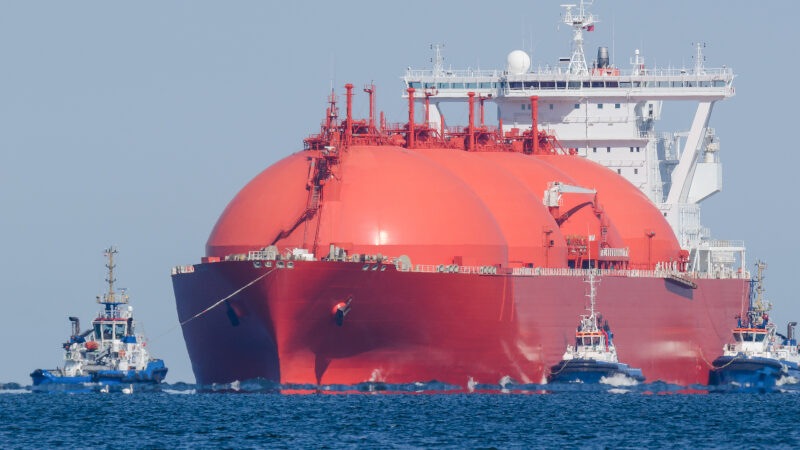
Ship assist and escort for LNG will be provided by the joint venture of the Haisla First Nation and Seaspan (HaiSea Marine Services). A fleet of battery electric harbour escort tugs will provide service at the LNG Canada export facility. These tugs are considered to be Canada’s most powerful and the most high-performance escort tugs in the world. The tugs measure 40 meters in length (131 feet) with 100 tons of bollard pull and generate indirect forces in escort of approximately 200 tons. With an ample supply of clean hydroelectric power available in Kitimat, these tugs will be able to recharge from dedicated shore charging facilities at their berths between jobs.
What does all this mean for recreational boaters plying the waters of Northern BC? Firstly, there will be more commercial vessels sharing the waters, including bulk carriers, general cargo vessels, liquid bulk vessels, passenger vessels, and tugs and barges. Secondly, there are new Waterway Management Guidelines for the North Coast, which are currently in effect. The guidelines apply to all vessels navigating on the route between Kitimat and Browning Entrance. This area includes:
- Douglas Channel
- Wright Sound
- Lewis Passage
- Otter Channel
- Nepean Sound
- Principe Channel
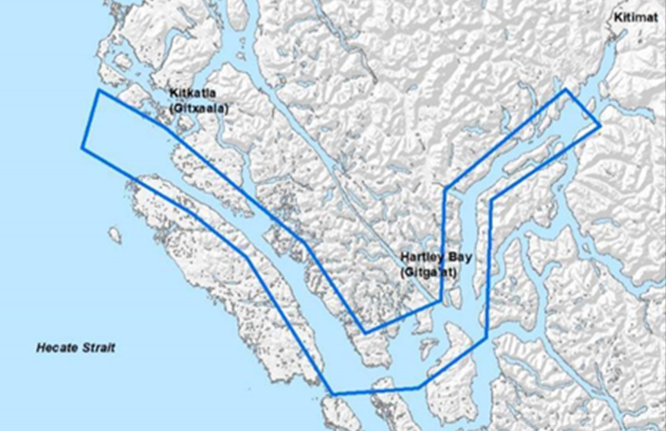
While the North Coast Waterway Management Guidelines are voluntary guidelines, they are important for safety reasons and to reduce conflicts between marine use activities. These guidelines include inshore safety zones, speed reductions, and a special operating area in Wright Sound, among other guidelines. Most of these guidelines apply to large commercial vessels; however, section 1 of the guidelines applies to all vessels including recreational boats. These guidelines were created in cooperation between Transport Canada, The Pacific Pilotage Authority, BC Pilots, and First Nations Giitga’at and Gitxaala, along with other maritime partners. In specific regions, called First Nations Areas of Concern or the Inshore Safety Zone, ships are to make sure local users can travel without concern for their safety.
You can Read the Guidelines HERE. Questions or comments regarding these guidelines can be sent to Transport Canada in Ottawa at marinesafety-securitemaritime@tc.gc.ca or phone 855-859-3123. Feedback and inquiries can also be sent to GOLDinfo@gitgaat.ca. The guidelines went into effect on September 1, 2022, in advance of increased vessel traffic expected when LNG Canada terminal starts production and shipment. The “British Columbia North Coast Waterway Management Guidelines” will be reviewed periodically.
When transiting these waters, recreational boaters should keep the following in mind:
- Deep-sea vessels will mostly utilize a mid-channel corridor; however, these vessels may depart from mid-channel to ensure safe passing distances from other marine traffic.
- When deep-sea vessels are present, recreational boats will navigate between the recommended mid-channel corridor and the Inshore Safety Zone. Wash and wake are to be minimized.
- The Inshore Safety Zone (approx. ½ nautical mile from shore) should be kept clear for fishing, harvesting, or recreation.
- Speed is to be reduced in all channels of the route if there is a concentration of fish boats or whales are present. Wash and wake to be minimized when food harvesting is taking place.
- All vessels must comply with International Regulations for the Prevention of Collisions at Sea. Overtaking a piloted deep-sea vessel is allowed if no opposing traffic as per the Collision Regulations.
- Recreational boaters should pay special attention in the Wright Sound Special Operating Area (SOA) due to the confluence of five channels entering the Sound, the presence of whales, and local fishing and harvesting. Reduce speed and change direction as needed.
- Communications between commercial piloted vessels can be heard on VHF Channel 11.
- Inbound and outbound commercial vessels in Douglas Channel are to make a Securite’ call at Gertrude Point and a Securite’ call when southbound 3 miles north of Hartley Bay.
Photos: LNG Canada
Map: Transport Canada