In a recent News Release, the Washington Department of Fish and Wildlife (WDFW) has announced “emergency rule making” to classify golden mussels as a Prohibited Level 1 invasive species statewide.
 As a Prohibited Level 1 species, live golden mussels (Limnoperna fortune) may not be retained, introduced into a water body, or transported, bought, or sold without Department authorization or a permit. Golden mussels were first detected in North America in California’s Sacramento-San Joaquin Delta in 2024, confirming an active pathway for these invasive mussels to spread northward through contaminated aquatic equipment and mussel attachment on vessels.
The Risk. While not currently known to be established in Washington, federal and state risk assessments identify golden mussels as a high-risk invasive species. The WDFW News Release went on to report, in part, the following.
Golden mussels pose similar threats to the environment, economy, and health as invasive quagga and zebra mussels, which are also Prohibited Level 1 species in Washington. Golden mussels can tolerate a wider range of water temperatures and salinity, including brackish waters and estuaries. As prolific filter feeders, they alter food webs and impact water quality.
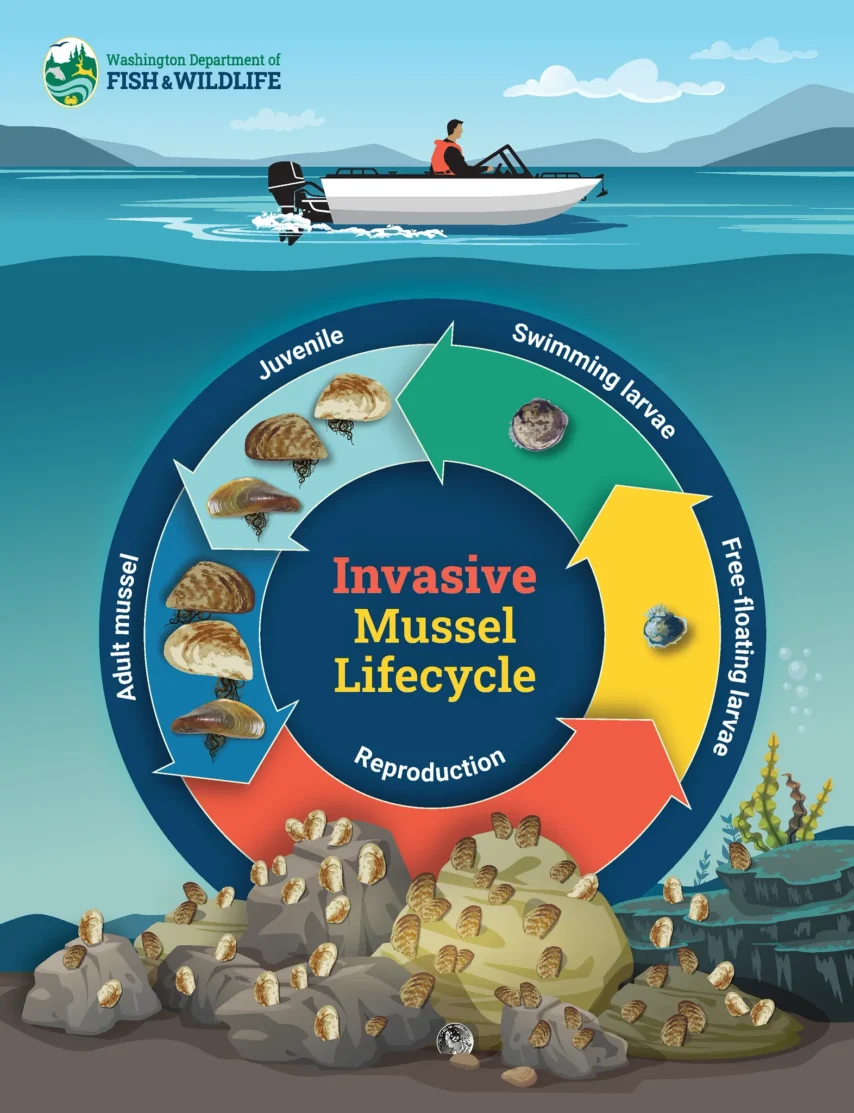
The ability to attach to surfaces also enables these invasive mussels to cause significant biofouling to infrastructure by clogging intake pipes critical for hydropower systems, irrigated agriculture, drinking water, and sewage.
Prevention. Though largely preventable, overland movement of recreational watercraft and aquatic equipment are major pathways of AIS (Aquatic Invasive Species) introduction and spread. Practicing clean, drain, dry; stopping for mandatory watercraft inspection as required by state law; and performing decontamination, have proven successful at stopping the spread of AIS but require participation from everyone who works or recreates in the water.
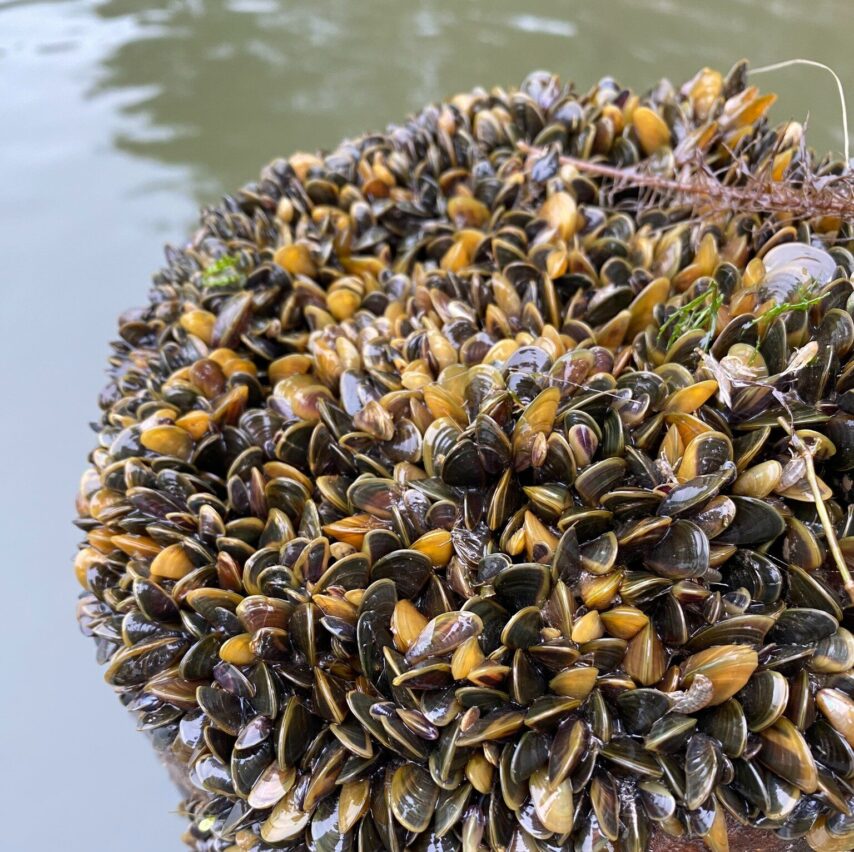
Reporting. If you find something suspicious, report your potential AIS sighting to the Washington Invasive Species Council on their website or app HERE. Reports are distributed to WDFW and other partners to respond. If you have questions, call the AIS hotline at 1-888-WDFW-AIS.
You can visit WDFW’s golden mussel webpage for more species information.
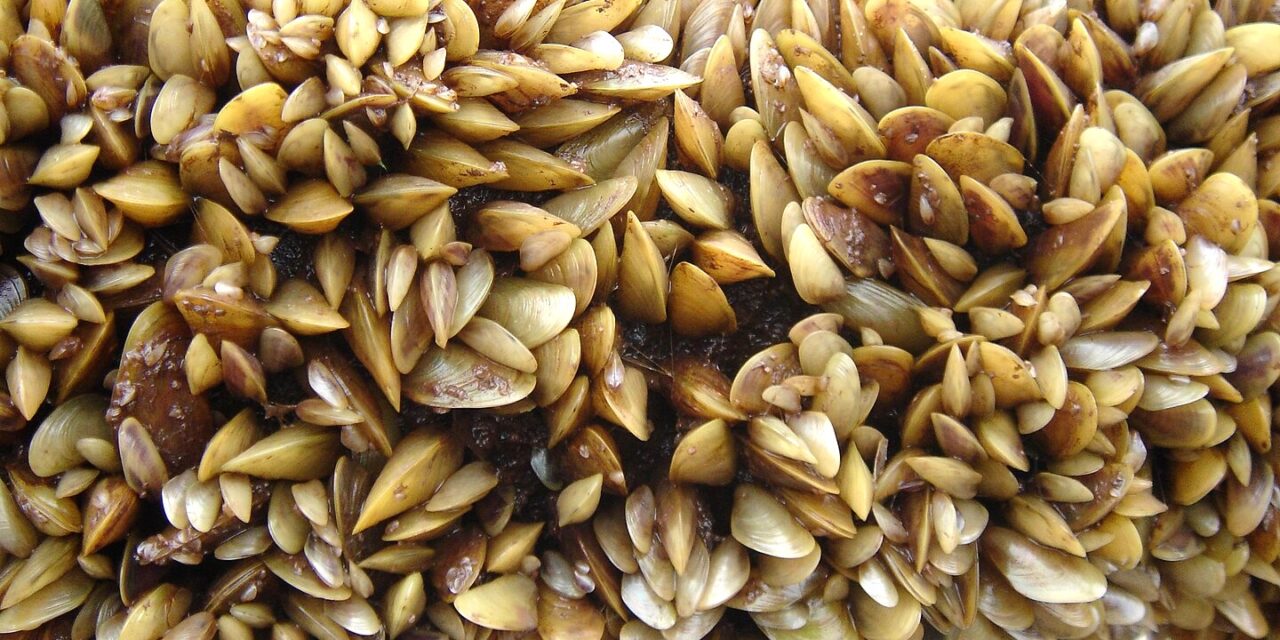
Header Photo: Maven’s Notebook
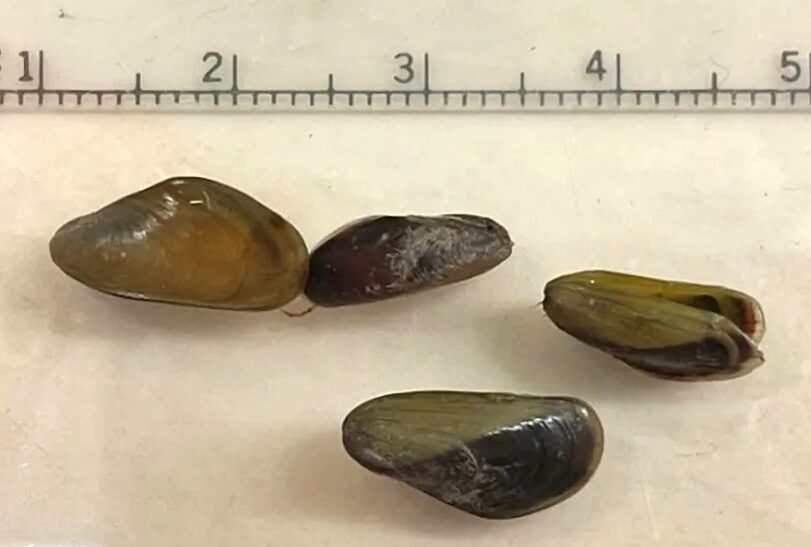
Measurement Image: CA DFW
Life Cycle Diagram: WDFW
Text Photo: U.S. Fisheries