Dive into the world of eelgrass meadows with us as we explore boating destinations across Washington and British Columbia. Along the way, we’ll hear from local partners who help protect these unique underwater ecosystems. This Fourth in a series is part of the Anchor Out of Eelgrass campaign, which encourages boaters to use best anchoring practices to safeguard sensitive eelgrass habitats.
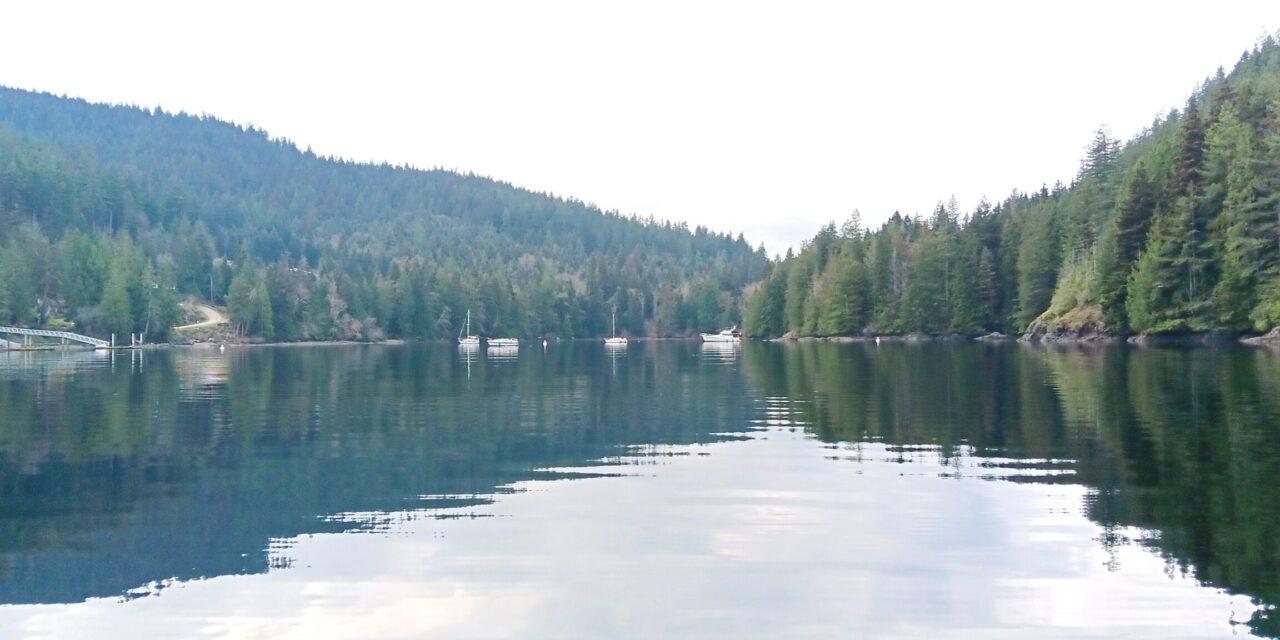
Today, we’re cruising into Indian Arm within səlilwət (Burrard Inlet) to Bedwell Bay, located near Belcarra, British Columbia with support from the səlilwətaɬ (Tsleil-Waututh Nation).
Anchoring with Care in Bedwell Bay – One of səlilwət’s Healthiest Eelgrass Meadows
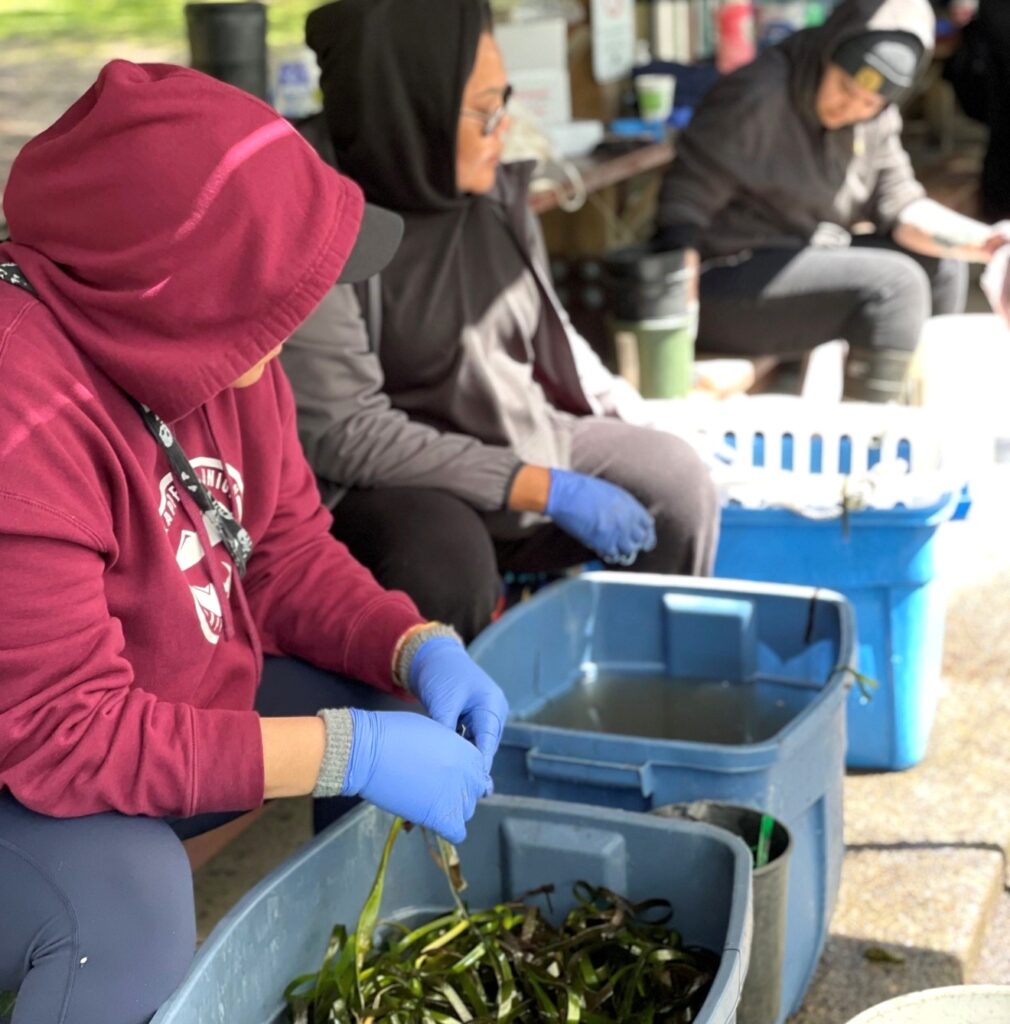
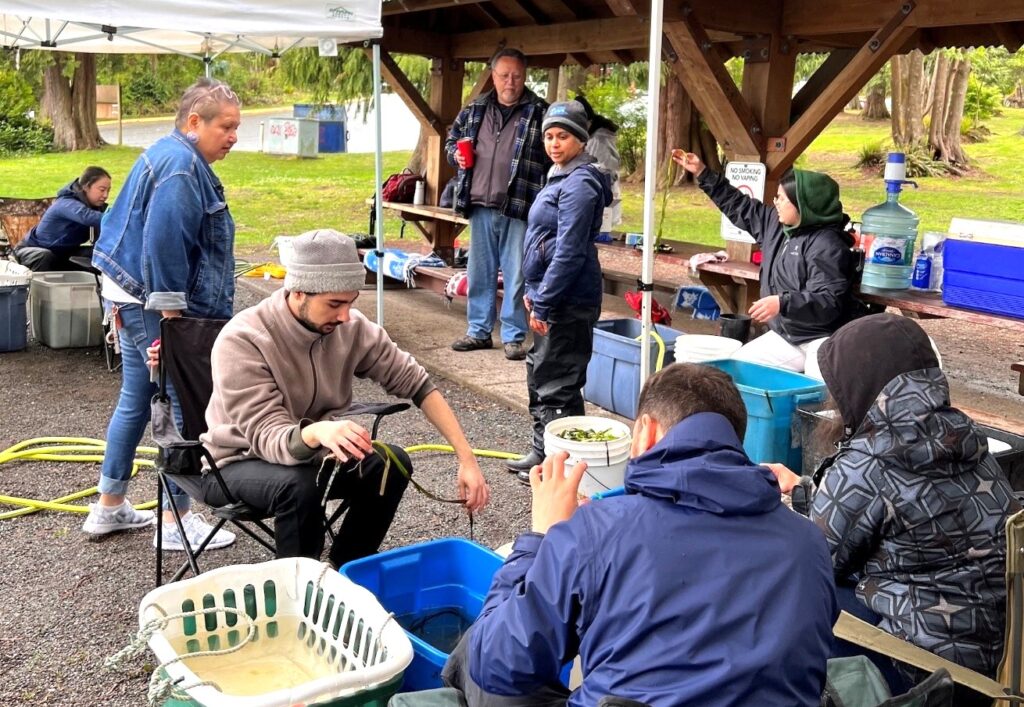
səlilwətaɬ (Tsleil-Waututh Nation) are the People of the Inlet and have occupied and stewarded the lands and waters of səlilwət (Burrard Inlet) since time out of mind. Today, səlilwətaɬ continues this stewardship by mapping, restoring, and protecting cə́ləm (eelgrass) and other vital habitats throughout səlilwət. Bedwell Bay is one of these special places, home to one of the healthiest remaining cə́ləm beds in the inlet and an area where boaters can play an important role in keeping it thriving.
Why Boaters Love Bedwell Bay
Bedwell Bay’s sheltered waters make it a well‑known and well‑loved anchorage. Surrounded by forested slopes and quiet coves, the bay offers calm conditions, scenic views, and quick access to wildlife watching and shoreline recreation. Its proximity to təmtəmíxʷtən/Belcarra Regional Park adds to its popularity, providing opportunities to explore beaches, trails, and cultural sites.
Why Eelgrass Needs Protection Here
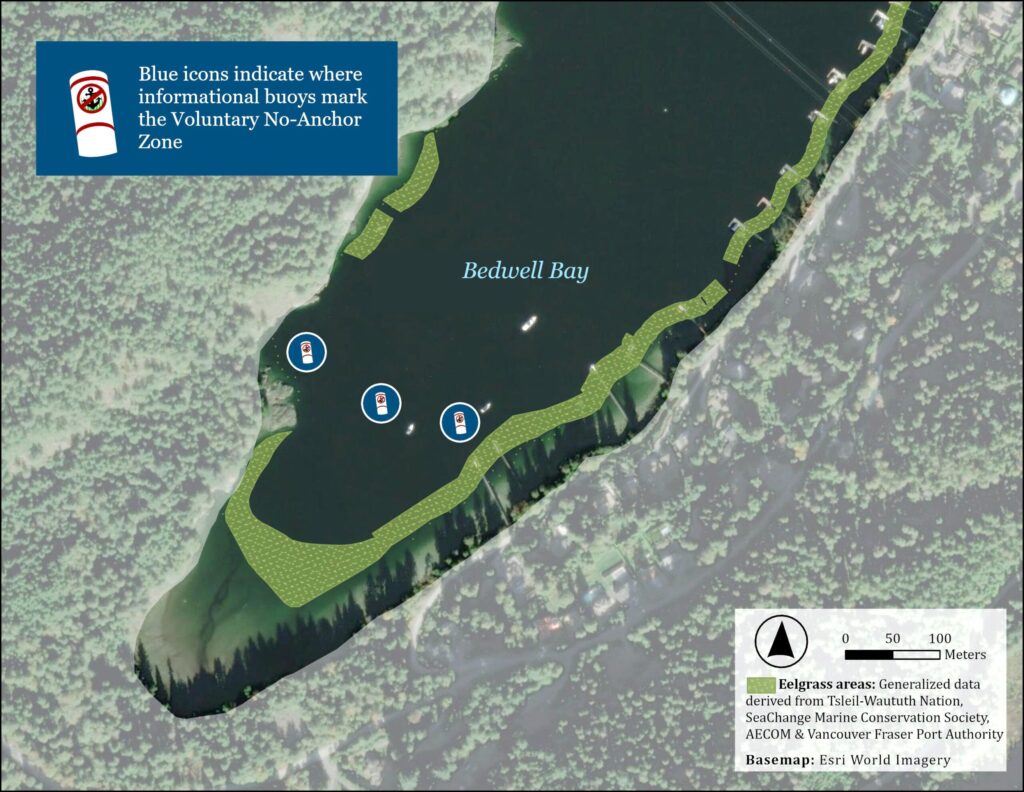
While Bedwell Bay’s cə́ləm meadows are healthy, eelgrass throughout səlilwət has declined over time due to urban development, industrial activity, pollution, and shoreline modification. These changes have reduced both the extent and abundance of eelgrass in many parts of the inlet. Because eelgrass is slow to recover from anchoring damage, protecting the thriving beds in Bedwell Bay is essential. səlilwətaɬ has invested years of work into restoring and safeguarding cə́ləm, making boater awareness and care a key part of that effort. The protection efforts of səlilwətaɬ have led to the placement of marker buoys at the head of the bay delineating sensitive eelgrass habitat and making it easier for boaters to know where to anchor. While the marker buoys protect eelgrass at the head of the bay, eelgrass habitat is also found around the edges of Bedwell Bay extending in both directions from the No-Anchor Zone buoys.
Anchoring Tips for Bedwell Bay
- Observe the eelgrass No-Anchor Zone and respect the boundaries by anchoring seaward of the cylindrical white buoys.
- Anchor in depths below 7 meters (chart datum) and away from the shores of the bay. This keeps anchors and chains out of the eelgrass zone.
- Keep a safe distance from all No-Anchor Zone buoys. A one to four scope ratio for most anchors helps prevent chain or line from drifting into the protected area and tangling with the buoys.
- Locate the No-Anchor Zone on ActiveCaptain under the “Hazard” filter to see more details.
- View interactive maps of eelgrass and other nearshore ecosystems in səlilwət to gauge where to anchor away from sensitive habitat. (Maps created by səlilwətaɬ.)
These steps help prevent anchor scars, which can fragment eelgrass beds, destabilize shorelines and reduce habitat for fish, shellfish, and other marine life.
Points of Interest
Bedwell Bay rests beside təmtəmíxʷtən/Belcarra Regional Park. This site is one of many səlilwətaɬ villages surrounding səlilwət and is known as “the biggest place for all the people.” Since time out of mind, səlilwətaɬ people used this entire landscape for settlement, hunting, resource harvesting, sacred and health sites, and ceremonial uses. Today, visitors can explore beaches, forest trails, viewpoints, and interpretive signs that share pieces of this long human history.
Stewardship Reminder
By choosing deeper water and respecting No‑Anchor Zones, boaters can help protect one of səlilwət’s most vibrant eelgrass meadows. Anchoring out of eelgrass throughout the Inlet will help these sensitive ecosystems last for future generations. Small choices on the water make a big difference for the fish, wildlife, and cultural landscapes that depend on healthy cə́ləm.
Explore more resources at:
- Restoring Burrard Inlet with Treaty, Lands and Resources
- Tsleil-Waututh Nation Stewardship
- Anchor Out of Eelgrass campaign: www.anchorout.org
Article By: səlilwətaɬ (Tsleil-Waututh Nation) in collaboration with NW Straits Commission and Anchor Out of Eelgrass for Safety & Salmon Campaign
Header Photo Credit (Burrard Inlet): səlilwətaɬ (Tsleil-Waututh Nation)
Text Photos: səlilwətaɬ (Tsleil-Waututh Nation) and SeaChange Marine Conservation Society
Map Credit: səlilwətaɬ (Tsleil-Waututh Nation) and SeaChange Marine Conservation Society;
AECOM and Vancouver Fraser Port Authority