There are certain places on the British Columbia coast that seem almost too beautiful to be real. Savary Island is one of them.
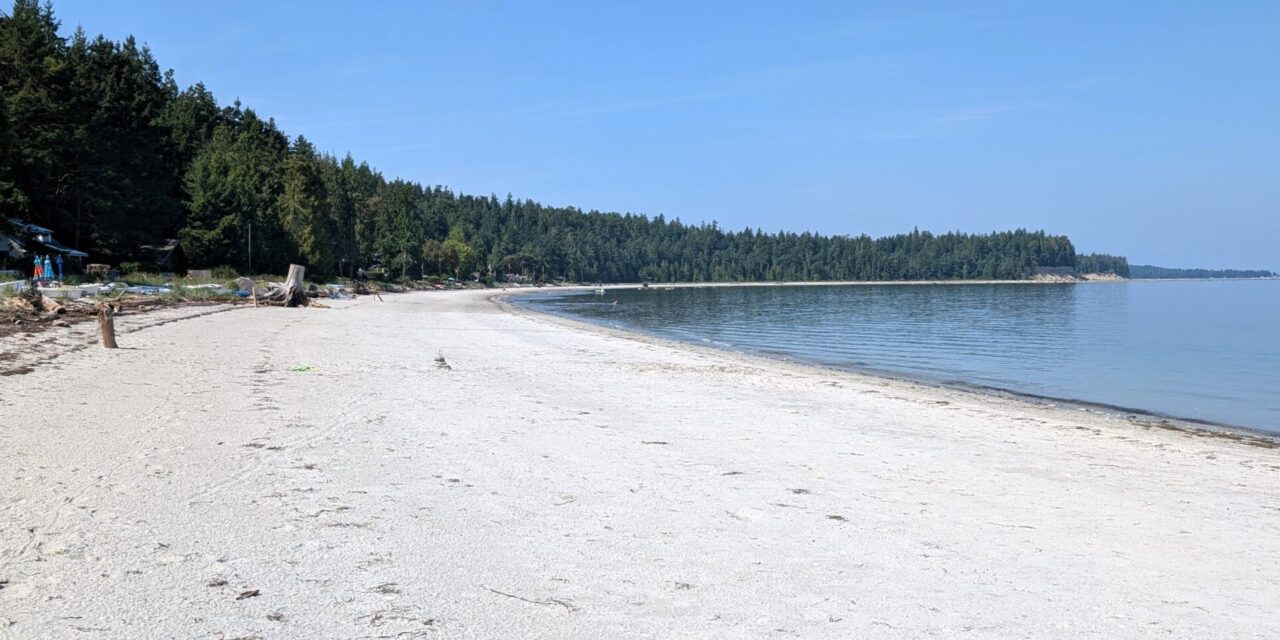
The first time I saw its long stretch of white sand and impossibly turquoise water, I remember thinking that someone had accidentally dropped a tropical island into the middle of the Salish Sea. It doesn’t look like the British Columbia coastline we’ve come to expect. Instead of rugged shorelines and rocky coves, you’re greeted by warm sand, crystal-clear water, and one of the longest sandy beaches on the coast.
It’s no wonder people call it the Caribbean of British Columbia. Of course, there are no palm trees. Instead, towering Douglas firs frame the shoreline, reminding you that you’re still firmly on Canada’s spectacular West Coast. Somehow, that combination of evergreen forest and tropical-looking water makes Savary Island even more magical.
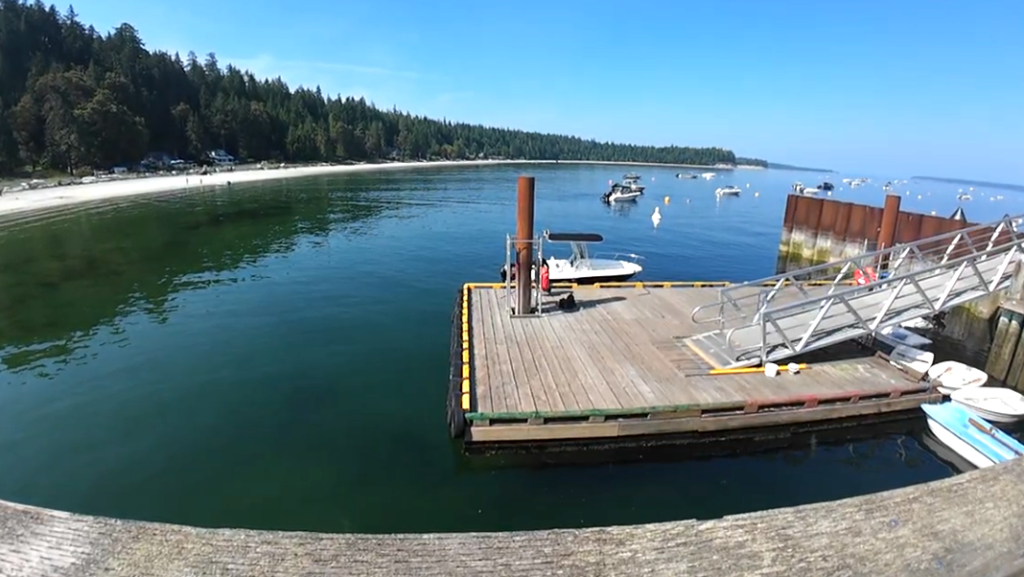
But beautiful beaches are only part of the story. Savary Island has a fascinating history and an off-grid lifestyle that makes every visit feel refreshingly simple. It’s the kind of place that encourages you to slow down, leave your watch on the boat, and spend an afternoon doing absolutely nothing more ambitious than wandering the shoreline.
The western point of the island, known as Tha-tek, is linked to the story of the great double-headed serpent Ihos, who lived in the waters around Savary Island. Ihos was taking too much from nearby Mitlenatch Island. A Transformer intervened, changing the serpent into the long, narrow island we see today. Ihos remains there as a permanent reminder that the land and sea must be treated with restraint: take what you need, but never so much that you damage the place providing it. The story also helps explain the island’s distinctive shape, which resembles a serpent when seen from above.
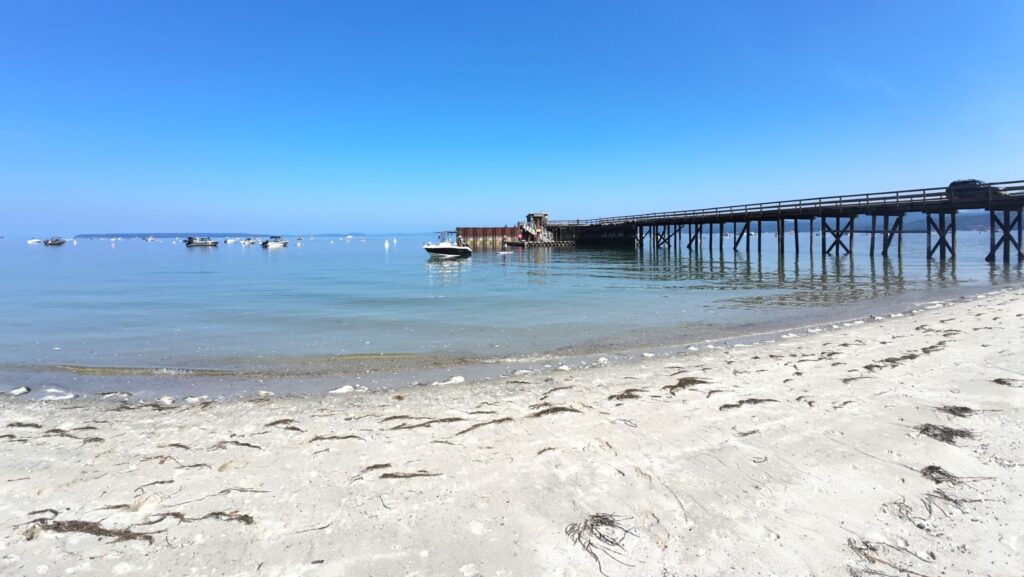
There are no marinas, no fuel docks, no bustling waterfront villages and no paved roads. The island operates entirely off grid, with no public electrical system or municipal garbage collection. Visitors are asked to pack out everything they bring in to help preserve the natural beauty that makes the island so special.
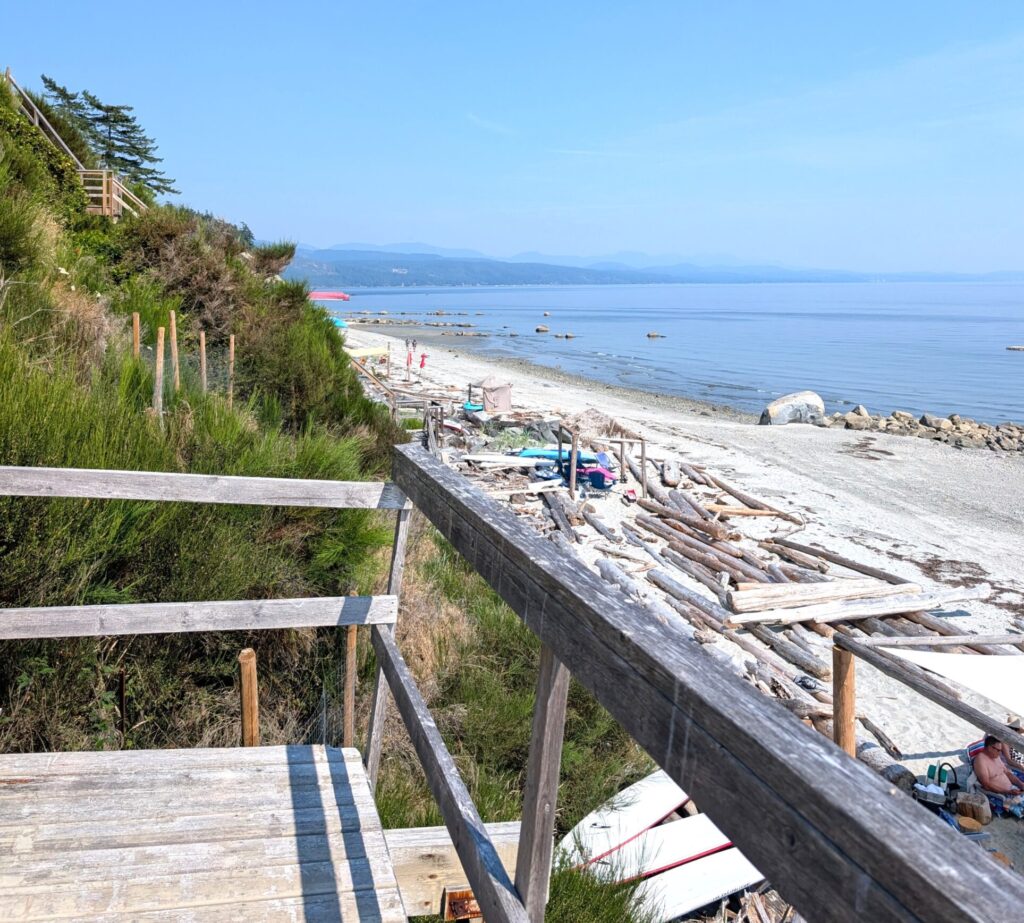
Mermaid Rock is worth seeking out; it features a small statue reminiscent of the Danish Little Mermaid perched on a boulder and is situated on a beach known for warm swimming waters and clam beds. South Beach stretches for what feels like miles, inviting long walks along the shoreline, while Indian Point provides sweeping views across the Salish Sea and a chance to appreciate the island’s unique shape. It’s the sort of place where you lose track of time.
Many visitors arrive by water taxi or the passenger ferry from Lund, but there is lots of room to throw down your anchor and spend the afternoon. It reminds me why I enjoy cruising the British Columbia coast so much. Every island has its own personality. Some are lively. Some are bustling. Some are perfect for stocking the galley or enjoying a great meal ashore. Savary asks very little of you. It simply asks you to slow down.
If your summer or fall cruising plans take you north toward Desolation Sound or the Sunshine Coast, make time for Savary Island. Then spend the afternoon wondering how such a spectacular place has remained one of British Columbia’s best-kept secrets.
Article by Melissa (Missy) Gervais
Waggoner Field Correspondent