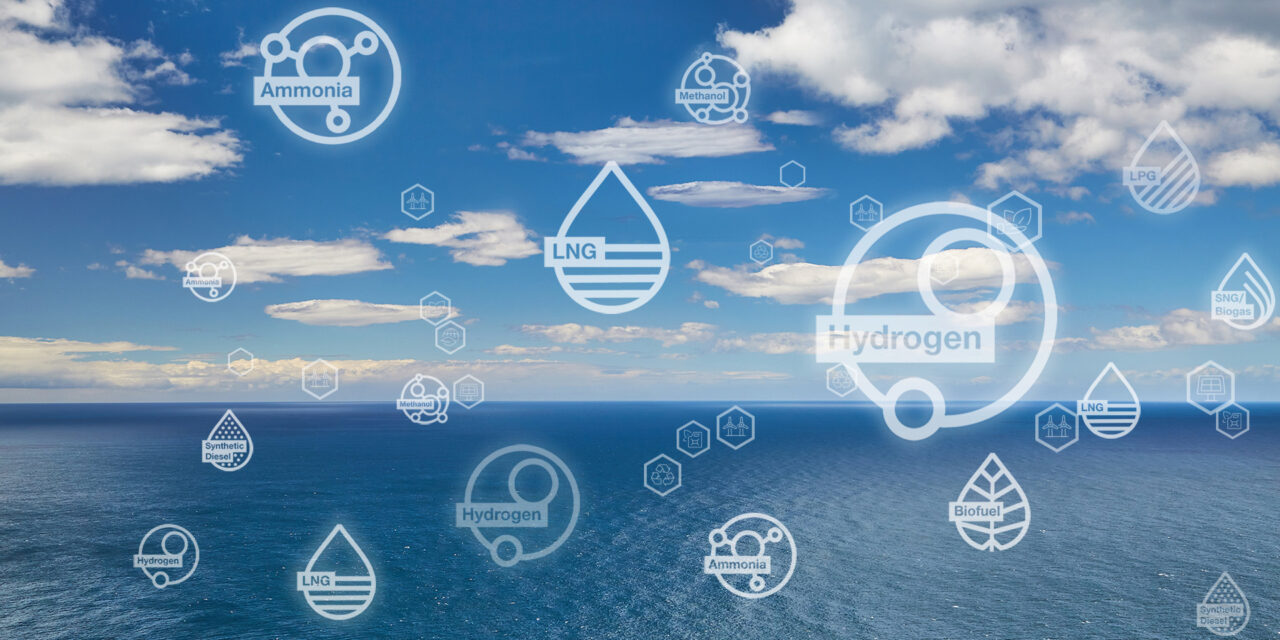
The marine industry is moving forward with alternative fuels such as hydrogen, methanol, and ammonia liquids to reduce the carbon footprint and promote zero or near-zero greenhouse gas emissions. As these alternative fuels emerge, so must rules with equal speed for these new fuels.
Classification societies are working to develop a set of rules for the safety of crew, vessel, and the environment. These rules must also adhere to Coast Guard regulations. This is a daunting task in which rule-writers and operators will need to work in partnership to create practical solutions. The International Association of Classification Societies (IACS) is an organization that provides technical support to its member societies. The IACS comprises most of the classed global shipping. Member societies set their own rules for classed vessels, but IACS publishes Unified Requirements to implement into member rules.
In early 2024, IACS released a Unified Requirement (UR) for “Control of Ammonia Releases on Ammonia Fueled Vessels” outlining safety measures to be included in the design of ammonia-fueled ships. Unified Requirements for hydrogen-fueled vessels and electrical energy storage systems are currently under development. Individual IACS member societies have also started to develop rules and guidelines on ammonia, methanol, hydrogen, and batteries. Each of the alternative fuels being focused on presents unique challenges, differing in flash points and toxicity levels.
Applying these technologies to smaller vessels under new rules presents special challenges. What works well on larger vessels may not work for limited space on smaller vessels. Developed written rules will likely affect vessel design in the future. Engineers, operators, and class societies will need to work in partnership for best practices. The world’s first methanol-fueled tugboat, Hydrogen One, (designed by Elliott Bay Design Group) serves as an example of creative solutions for alternative fuel technology in a small commercial vessel.
Image: MAN Energy Solutions