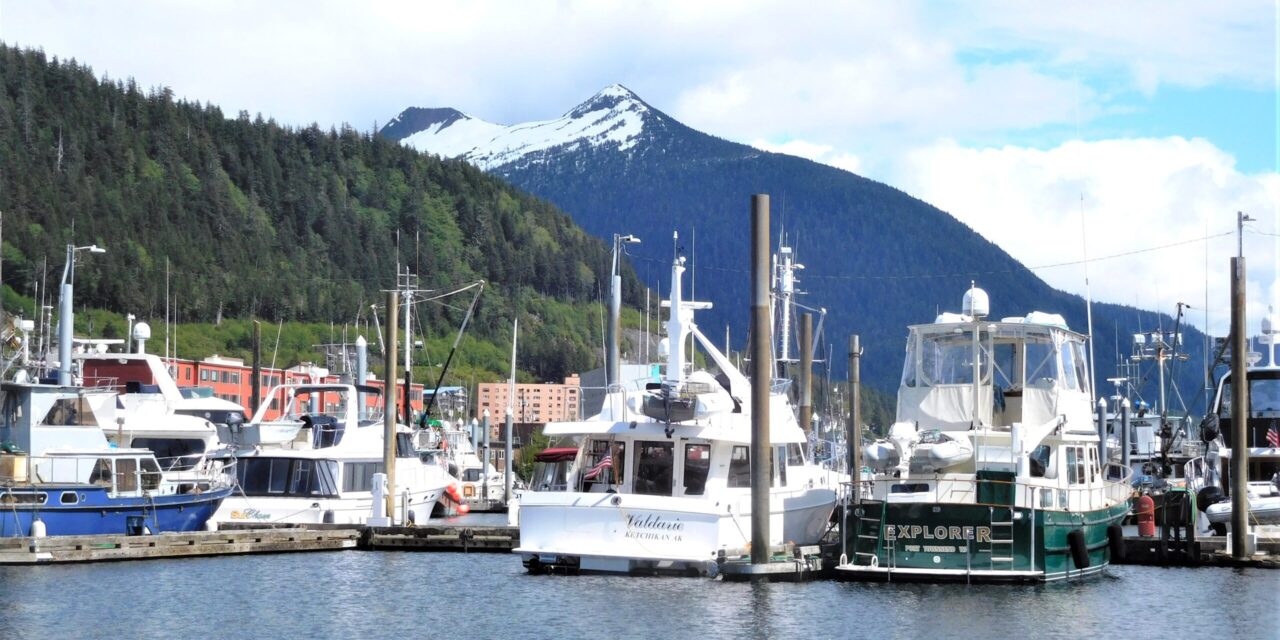
Nearly all of the marinas in Alaska are city owned and operated. For recreational boaters, short-term guest moorage is provided in unoccupied tenant slips, a system called Hot Berthing. Fish boats make up the majority of tenants and are now faced with increased moorage rates.
Over the years, inflation and the decline of oil State subsidies has put a financial burden on individual communities to fund their municipal marinas. A study commissioned by the Port of Ketchikan determined that 60% more in annual revenue (2.5 million) was needed just to break even. In early January 2024, the Ketchikan City Council passed a proposal to raise moorage rates.
The increased rates have raised concerns among fisherman who must also maintain their vessels and keep the costs of fishing sustainable. Fishermen expect moorage rates to jump from around $1,300 to nearly $2,400 a year. According to Delilah Walsh, Ketchikan City Manager, water and electric bills are paid as a harbor entity; as fuel, supplies, and other costs go up, moorage rates must go up too. The harbor receives its revenue from tenants, recreational boaters, and others who use the docks.
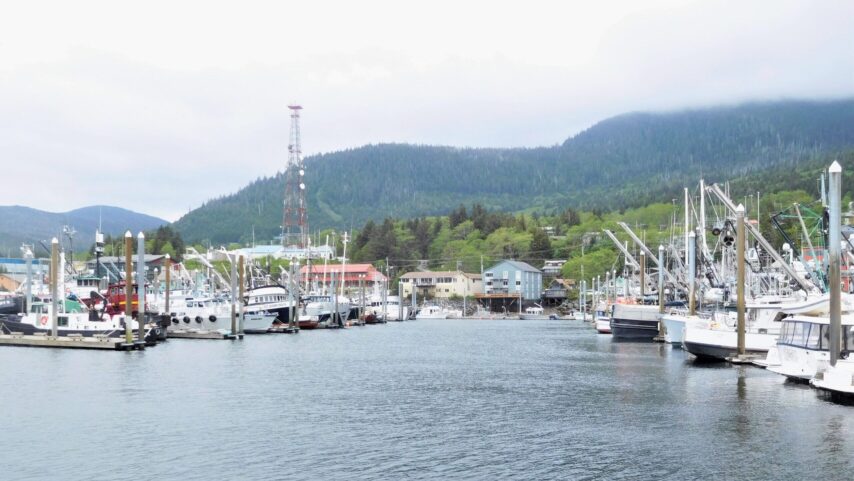
Finding funding for harbors is not unique to Ketchikan, it’s a state-wide challenge for municipalities that must maintain marinas predominately built in the 1960s and 70s. These marinas and harbors are the lifeline for those who live in Alaska. Marinas serve the fishing industry, are the conduit for shipping and receiving, and connect communities with one another.
If you are planning to cruise in Southeast Alaska this 2024 season, don’t be surprised if you find increased guest moorage rates. Pay them gladly with a smile and help sustain these important destinations.