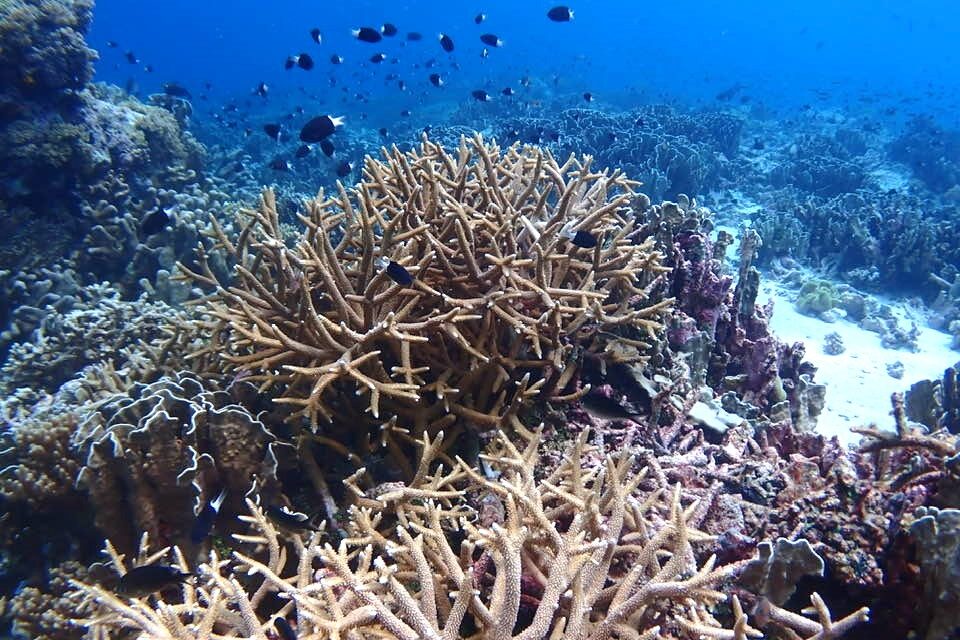
Who would have guessed that a coral reef could be present in the waters of Northern B.C.? With the help of the Kitasoo and Heiltsuk First Nations, scientists have confirmed a small, unique coral reef about 200 meters below the water surface on Finlayson Channel, located approximately 500 kilometers northwest of Vancouver.
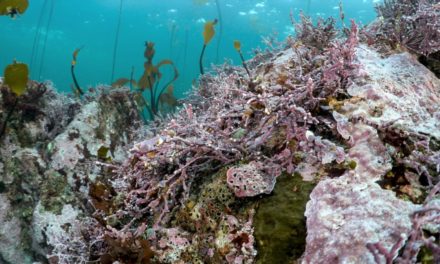
Ecologist Cherisse Du Preez, head of the deep-sea ecology program with Fisheries and Oceans Canada, confirmed the existence of the Lophelia coral reef with the use of a remote-controlled submersible. The crevasses and mounds of pinks, purples, and yellows provide habitat for eels, octopus, and schools of fish. The First Nations always knew there was something supporting the schools of fish around this bump on the sea floor, but didn’t know what it might be.
The Fisheries Department has closed the area on B.C.’s central coast over the coral reef to all commercial and recreational bottom-contact fishing. Corals are living animals that are very slow growing and very fragile. Touching coral can kill hundreds of polyps. Coral reefs provide important nursery grounds for a variety of fish species. Fisheries and Oceans will routinely patrol the area as they do around other marine refuges and marine protected areas. This recently discovered sensitive area is the most northern known coral reef in the Pacific Ocean. The coral reef is currently being assessed for a Parks Canada National Marine Conservation Area Reserve.
Coral is important for functioning ecosystems and are damaged by bottom fishing, warming ocean temperatures, and heatwaves. During heatwaves, corals release algae that make them turn white, ultimately causing starvation. Scientists have indicated that our oceans are becoming too hot for corals around the world, and that action is needed to mitigate climate change.
There are four different coral reef classifications: fringing reefs, barrier reefs, atolls, and patch reefs. These limestone ridges, built by tiny sea animals with a hard outer skeleton, display a variety of colors produced by photosynthetic pigments, fluorescent proteins, and chromoproteins. Next time you’re cruising along Finlayson Channel in Northern B.C., you might ponder the intriguing, fragile world that lies below.
Photo: Carol Risdall