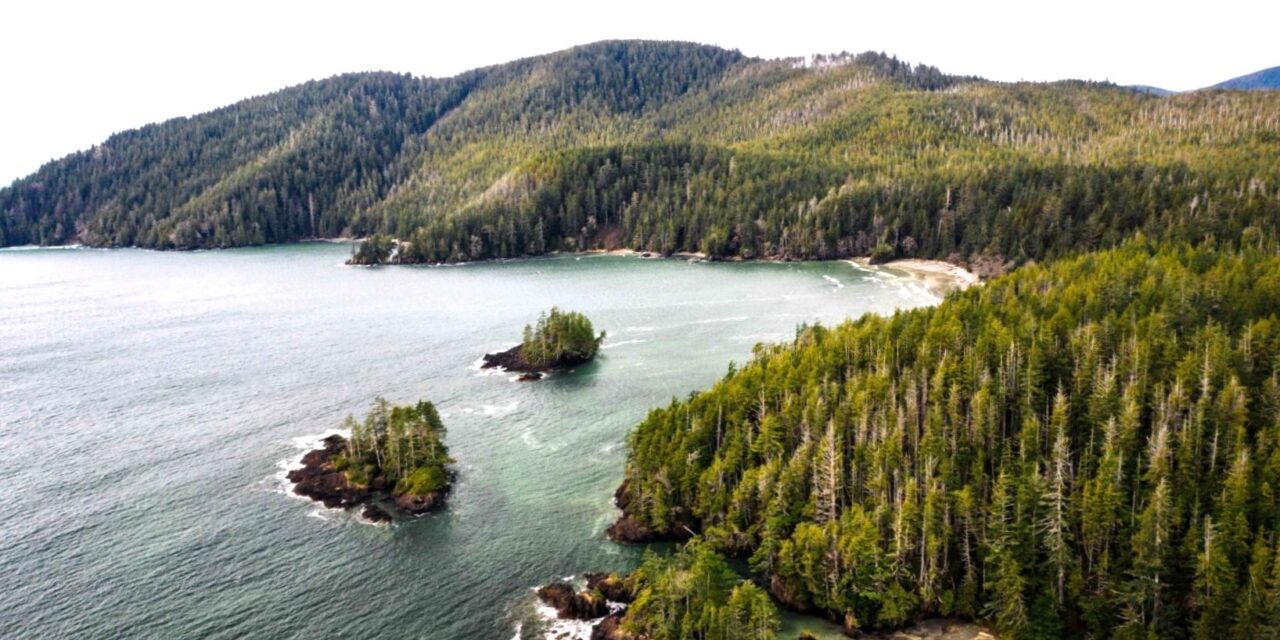
Intrepid boaters who have circumnavigated Vancouver Island have a healthy respect for Cape Scott, a rugged coastal wilderness on the northwestern tip of Vancouver Island, open to northwesterly winds. Hidden behind the headlands of this rugged coast are the remnants of Danish and European settlements attempted in the late 1800s and early 1900s.
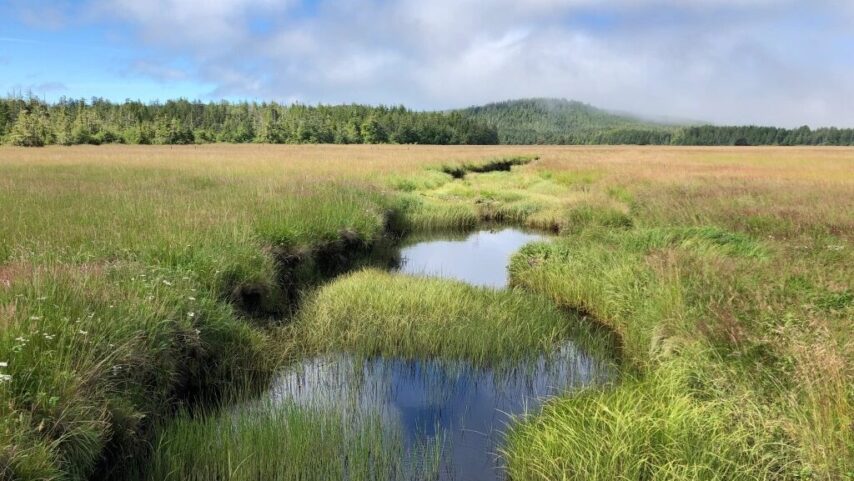
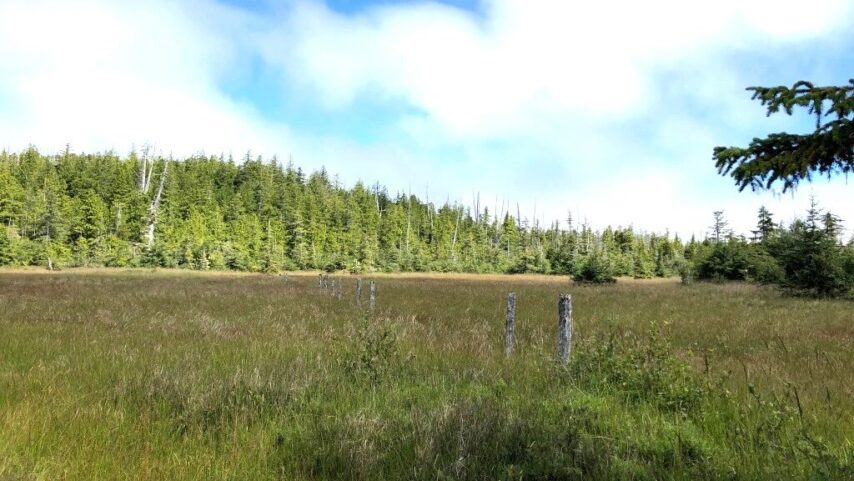
The first settlement at Cape Scott was attempted by Danes, when Rasmus Hansen arrived in 1894 with his fishing boat at today’s “Hansen Lagoon.” He had negotiated a settlement agreement with the government and organized a group of Danish pioneers, including Chris Jensen, Peter Thomsen, and Nels Nelson. They hoped to establish an ethnic community around Hansen Lagoon and Fisherman Bay at what is now Cape Scott Provincial Park. Members of the colony fished, produced dairy products, and farm produce. Unfortunately, the provincial government withdrew their land lease and reneged on their promise to build a road from Quatsino Sound. The Danes, not able to get their products to market were forced to leave and fish elsewhere or work in mines or logging camps. At Hansen Lagoon, rotting fence posts in the meadows are some of the few remains of this early farming community. The Danish settlers had also built a 7-foot-high dyke across Hansen Lagoon to convert the tidal flats to agricultural land, but a fierce storm and high tides destroyed the dyke on the day it was completed. A second dyke was constructed, but by the time of completion, the Danish colony had already begun to disband.
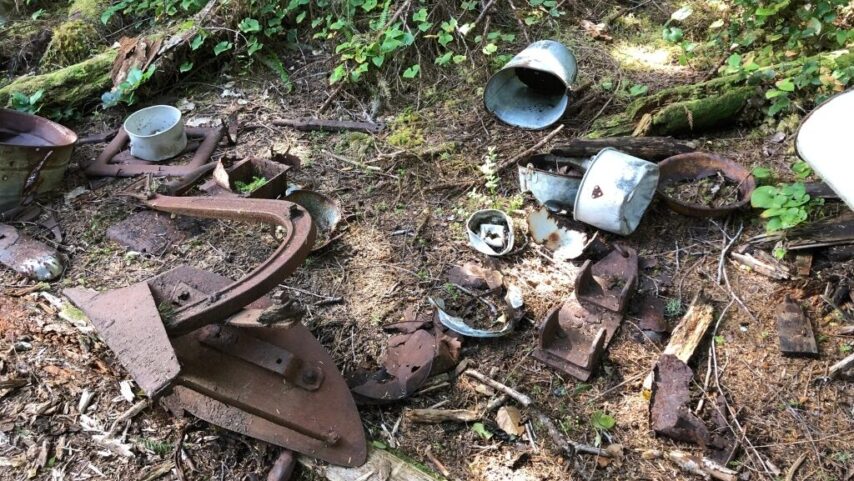
A second attempt to settle the area was made in 1912-1913 by other Europeans, eastern Canadians, and Americans from Washington State. These settlers established themselves in homes vacated by the Danes near Hansen Lagoon. Others built homes at Fisherman Bay and San Josef Bay. The area population peaked between 600 and 1,000 and a community hall had been built. The hall included a classroom to provide schooling for 30 children. Facing the same hardships of the earlier settlement, the community began a slow decline. By 1917 most of the settlers had left the area, leaving behind farm tools, buildings, stoves, machinery, and vehicles. An old Caterpillar tractor now sits silent in the forest. The First World War brought an end to the settlement and Cape Scott was deserted once again.
Hansen Lagoon, Fisherman Bay, and San Josef Bay are now part of the Cape Scott Provincial Park, offering hiking trails and camp sites – a 14.7km trail at Hansen Lagoon with fence-posts along the old road; a 9.3km trail along Fisherman River; and a 2.5km well-maintained gravel trail at San Josef Bay with scattered settlement remnants.
Photos: BC Parks