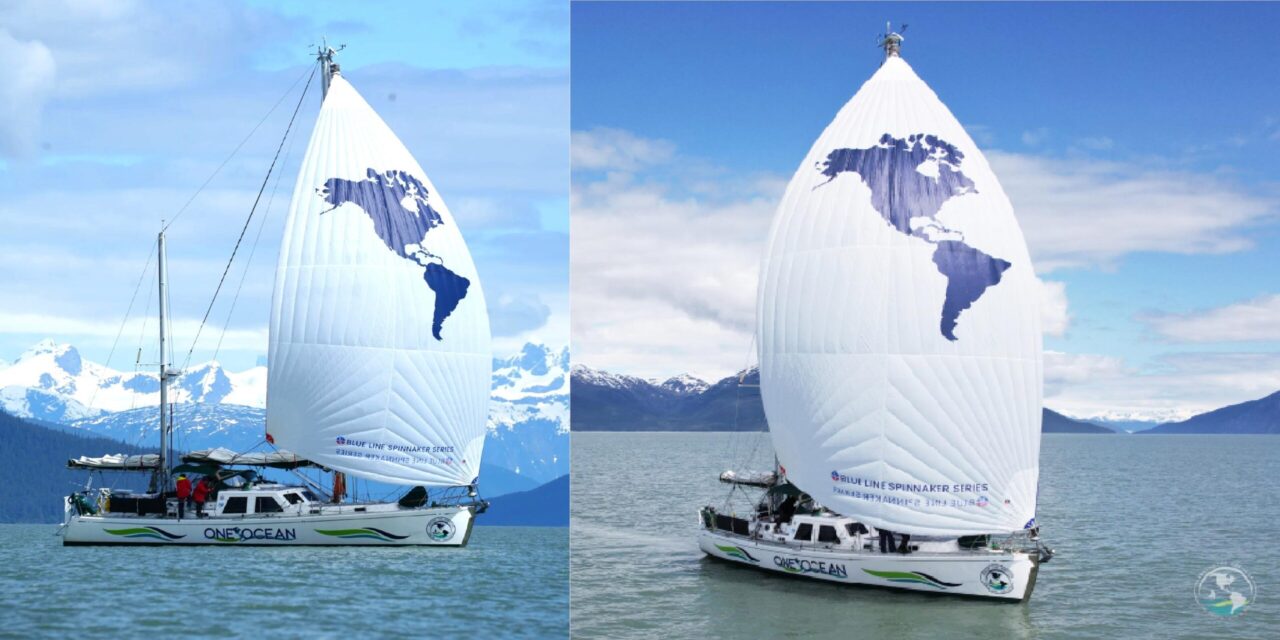
The crew of s/v One Ocean has departed Nome Alaska and are on their way through The Northwest Passage, which will take about two months to transit. There are only a few remote villages along the way and supplies are limited. Once they round Cape Hope and Point Lisburne, there’s nowhere to duck in. Planning fuel consumption, propane, and heat for the journey is a logistical art form says crew member, Mike Beemer.
The Northwest Passage is an impressive Arctic Sea Route connecting the Pacific and Atlantic Oceans that has long captivated the imagination of sailors and explorers. Crew member and scientist, Grace Dalton, describes in her blog their first-hand knowledge of the melting ice fields of the Arctic. The following is an excerpt from her report:
The Northwest Passage is changing in ways that would have been unimaginable just a few decades ago. Once blocked by thick, multi-year sea ice that crushed wooden ships and halted exploration, parts of the Northwest Passage now open each summer. This shift is attracting adventurous sailors and commercial vessels alike. Yet beneath this new accessibility lies a much deeper story, one of profound environmental transformation. As we sail through the Arctic routes, we are not only navigating a remote and treacherous landscape, we are witnessing a region being rapidly reshaped by climate change.
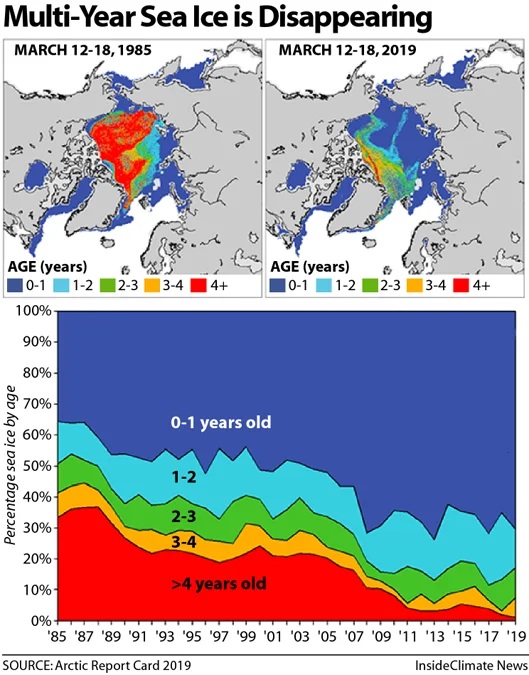
Arctic sea ice forms when ocean water freezes during the long, dark winters, blanketing vast areas of the Arctic Ocean. In the summer, a portion of this ice melts and recedes. This seasonal cycle is natural. What is no longer natural is the degree to which the extent, thickness, and duration of this ice has changed. Historically, the Northwest Passage was dominated by multi-year ice, which survives multiple-melt seasons and becomes thicker, denser, and harder to break through. Today, that ice is vanishing. In its place, first-year ice, which is thinner, less stable, and more prone to break-up, has become increasingly common.
Since satellite monitoring began in 1979, Arctic-sea ice at its annual minimum in September has decreased by roughly 12% per decade. The ice-free window in the Northwest Passage is now several weeks longer than it was just 30 years ago. In recent years, satellite observations revealed record-low coverage of multi-year ice in parts of the Canadian Arctic. Some channels that were once sealed tight throughout the summer are now navigable for longer periods than ever before.
For people who have lived with and understood Arctic ice for generations, its disappearance is not a distant or abstract phenomenon. It is a daily, lived experience. Elders who once read the ice with accuracy and passed down vital knowledge are finding that traditional routes used for hunting, travel, and trade are no longer safe. Trails that were once stable throughout the winter, melt early or become dangerously thin.
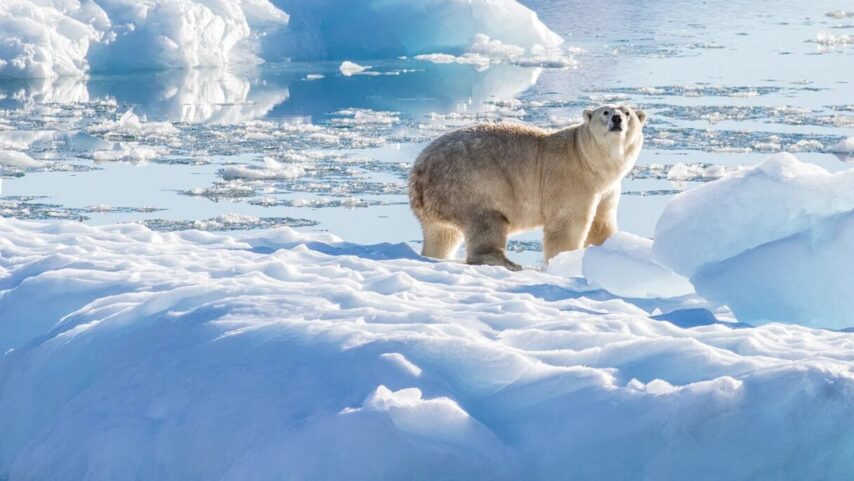
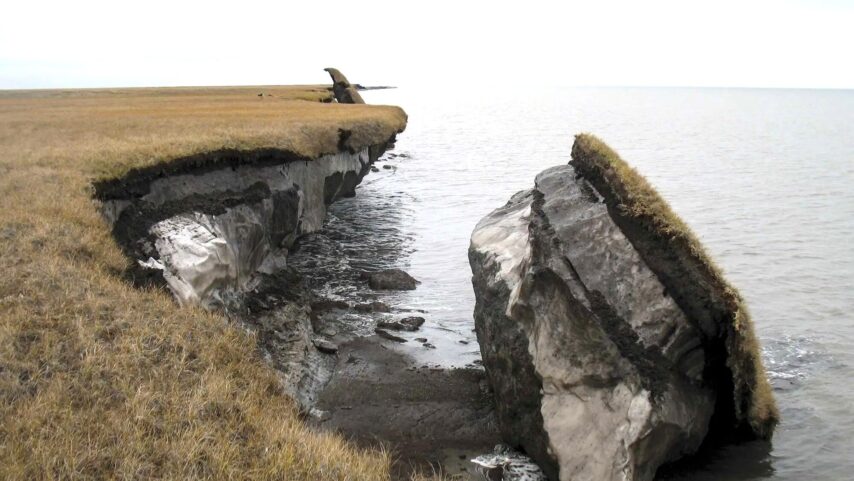
Subsistence hunters and fishers are finding it more difficult to track and harvest animals like seals, walrus, and caribou, as migration patterns shift and ice-dependent species become less accessible. This is not just an ecological concern; it is a threat to food security and cultural continuity. As the permafrost thaws, essential infrastructure, such as homes, airstrips, and roads, is collapsing or buckling. At the same time, coastal erosion and flooding are becoming more frequent as open water and storms gain ground where sea ice once provided protection.
Notwithstanding, the Northwest Passage remains one of the most dangerous maritime routes on Earth. Ice conditions are still highly unpredictable. Winds and currents can suddenly shift ice floes into narrow channels, trapping vessels that passed through easily just hours before. Multi-year ice, though less common, still exists and poses a serious threat to sailboats and smaller ships not reinforced for ice. Arctic storms, intensified by reduced ice cover, can build quickly, generating steep seas and poor visibility. Charts for many parts of the Arctic remain incomplete or outdated, and uncharted rocks or shifting shoals can pose deadly risks. Freezing spray, fog, and limited daylight further complicate navigation. There are few ports of refuge, minimal search and rescue infrastructure, and very limited satellite coverage in remote areas. If a vessel runs into trouble, help may be days away. For all its beauty, the passage remains a remote, high-stakes environment that demands caution, preparation, and respect.
As we sail through the Northwest Passage, we are not just tracing a line across a map. We are moving through a region undergoing profound transformation. The open water we see is not merely a sign of progress. It is a sign of loss, of resilience, and of urgent change. To witness the melting of Arctic ice is to watch history unfold in real time. Ancient, interconnected systems are breaking down before our eyes.
For those of us fortunate enough to see it, document it, and share it, there is a responsibility. A responsibility to learn, to listen, to teach, and to help protect what remains.
by Grace Dalton
Header Photo: One Ocean Crew
Sea Ice Diagram: Inside Climate News
Polar Bear Photo: “Science”
Erosion Photo: NASA
NOTE: s/v One Ocean is currently in Utqiagrik, Alaska. Previous to their arrival, Mike Beemer and crew went through the vessel’s systems as a safety check and made some interesting discoveries – “The Curious Case of Water Under the Engine;” “Generator Woes,” and “The Boat Was Going Backwards?” You can read Mike’s interesting report and fixes HERE.