Have you ever wondered how a community, waterway, or cove got its name? Our theme for the 2025 edition of the Waggoner Cruising Guide delves into the history and background of how some of our boating destinations received their name. The history of Toba Inlet described below, for example, is just one of many fascinating accounts.
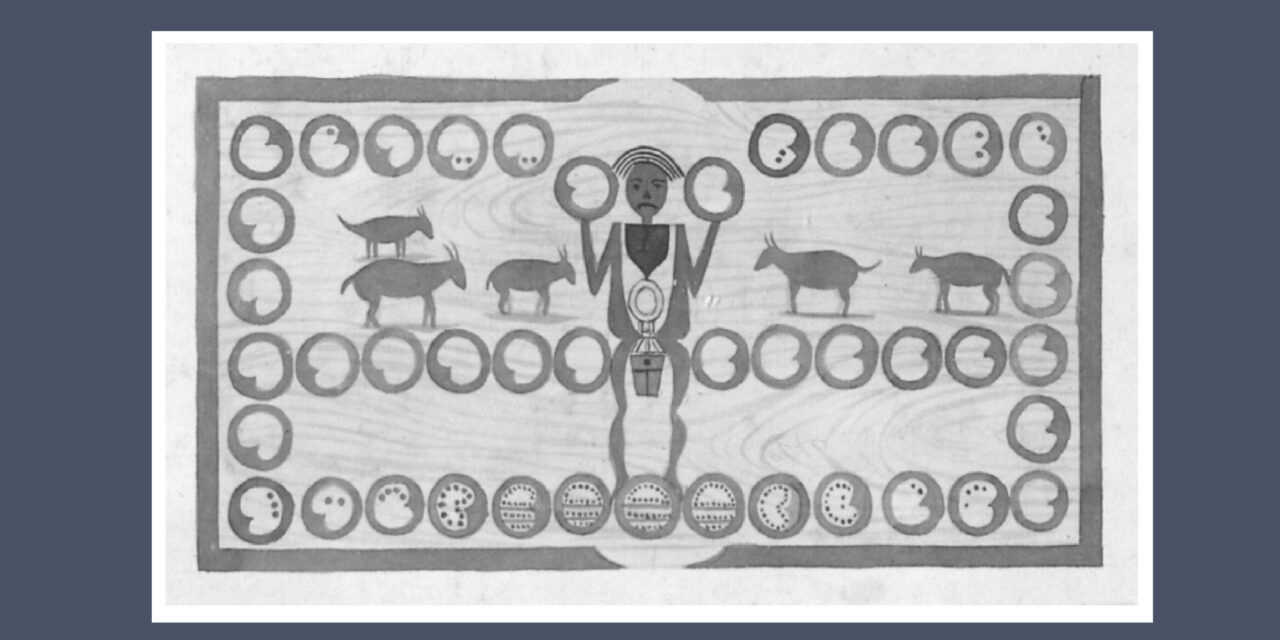
The Spanish and British were the first non-indigenous to explore Toba Inlet. They had arrived in the area simultaneously and agreed to cooperate in the local explorations. Captain Vancouver sent out two longboats and Captain Caytetano Valdes sent out a third launch. It was Valdes who explored Toba Inlet on June 25, 1792, with Jose’ Cardero as part of his crew. Valdes described the inlet as being of great depth, with steep shores and high peaks. Valdes found a plank (“tabla” in Spanish) on the east shore covered with paintings, which he described as “hieroglyphics of the natives.” There were several empty villages, but the Spanish encountered no inhabitants. Valdes named the inlet after the plank he found, Canal de la Tabla. The British explored the inlet after Valdes and confirmed for themselves the Spanish report. Vancouver kept the Spanish name, which through a Spanish map engraver’s mistake had changed to Toba Inlet.
Valdes crew member, Jose’ Cardero, made a firsthand drawing of the plank. The tablet was about 4 ft. x 7½ ft. Cardero’s drawing of the plank made quite an impression at the time, and it was reproduced in the atlas that accompanied the account of the 1792 expedition. The drawing has frequently been reproduced in articles and books about the Spanish explorations of British Columbia
Historian Nick Doe suggests that the tablet may have been a calendar, incorporating information about the tides in the inlet. The drawing contains a total of 43 circular symbols arranged in three rows with two columns either side. The top row contains 12 circles, the middle row also contains 12 circles, and the bottom row contains 13 circles. Nick Doe suggests that the 37 circles represent moons; there are approximately 12 moons in a year, but there are 37 moons every three years. The notches on the circles in the drawing suggest the waning and waxing of the moon. Doe goes on to suggest that the human figure standing on a “notchless” moon represents both the full moon and the summer solstice. The number of dots equals the number of days in the month, something that happens every day of the month at the height of summer, and yet drops off to near zero times a month in the depth of winter.
Toba Inlet was inhabited by the Klahoose people. The Klahoose First Nation territories span from Cortes Island to Toba Inlet. To read more about this fascinating story and other stories about place names in the Pacific Northwest, be sure to purchase your copy of the 2025 Waggoner Cruising Guide.
Archive Image, Nick Doe