What is the future for a boat when it no longer sparkles? If it costs more to hold onto the boat vs the fun it provides the owner, then it’s time to step back and evaluate the options. For some, the boat is a quick sale, at any price. Perhaps a new owner is willing to throw money at the boat in hopes of creating memories, or wants to engage in a hands-on project. Unfortunately, there are those boats that owners just walk away from, left to self-destruct in a slough sunk on the edge of a waterway or abandoned in a marina slip; not something anyone wants to see.
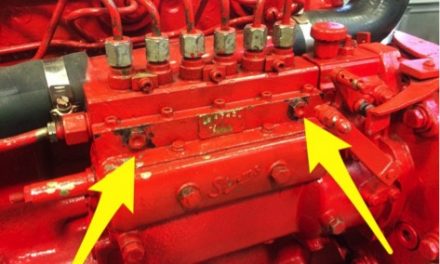
Have you considered what will happen to your boat? I was faced with this unpalatable question when the auxiliary, 50-year-old diesel motor seized. Sails are the primary power source for a sailboat, yet most marinas forbid sailing in or out of their marina. I was faced with a challenge. What to do? I explored several options that ultimately concluded to rebuild the motor.
While sitting in the boatyard at Everett, Hadley, my 1974 35ft Cal sailing vessel, was treated with paint and underwent a number of upgrades. As Hadley sat awaiting the return of her engine, I observed two other boats in the yard being attended to with gusto.
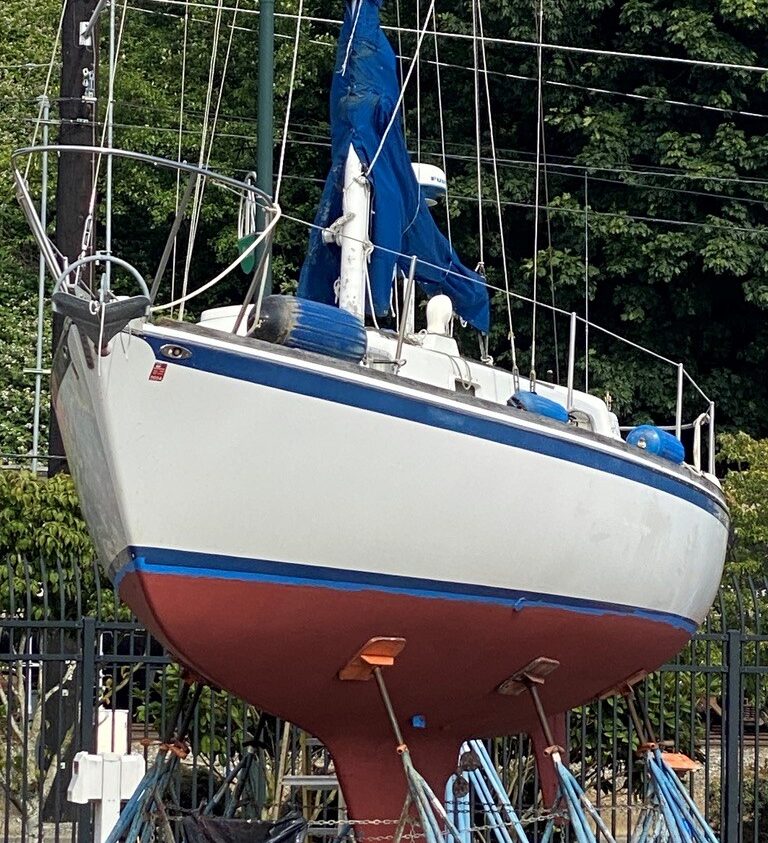
The first was a 27-foot sailboat that was placed on the hard by the marina. A couple of vans showed up with maybe 8 teens and two adult supervisors. With tools and paint in hand, they seemed to attack the boat like hungry mosquitos at a picnic. Fascinated, I left my boat and stepped up to one of the adults. I asked “Excuse me, what’s going on?” I learned that the youth were Sea Scouts and they had just been given this boat to refurbish. The boat had been surveyed and found to be sound. The Scouts were looking forward to working on the maintenance items needing attention so that they could sail her on a planned summer cruise. “What a great way to give a tired boat a new life,” I thought.
The other event involved a boat that had sunk near the marina. It showed evidence of having been submerged for a lengthy period. Sadly, it sat on its belly strapped to the trailer bed. The recycler used tools to quickly remove the tangle of spars and wires. Deck hardware was cut free and deposited in a bin labeled “resell”. The experienced recycler made quick brutal work of the dismantling. Metal would be sold for scrap, the hull would be shredded at a yard, and any useable hardware would be consigned for sale. The truck driver/recycler said he was making a good living thanks to Washington State’s contract to pay for clearing away boats, and the opportunity for scrap sales.
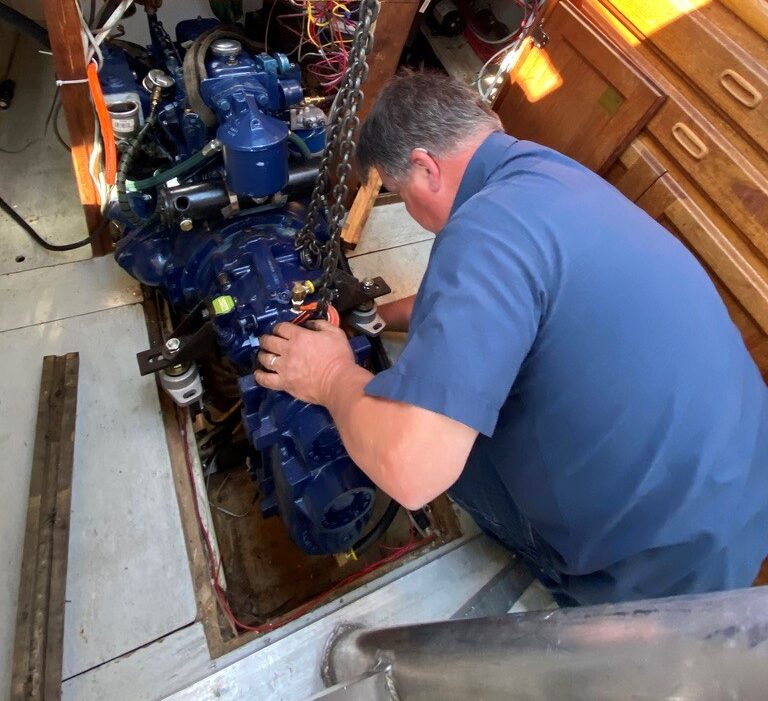
When I got back to my boat, I told Hadley she had better get this motor issue squared away, and that she should continue with a regular maintenance program. I didn’t want her to experience those other undesirable options. The next day the rebuilt engine arrived, and the install went smoothly.
By John Shepard
Field Correspondent
s/v Hadley
Salem, Oregon