As boaters we occasionally get to see whales when sailing or cruising to our planned destinations, but how often do we get to hear the songs, clicks, and eerie sounds shared between whales? You can do just that by connecting with BC Whales and the crew of Around the Americas.
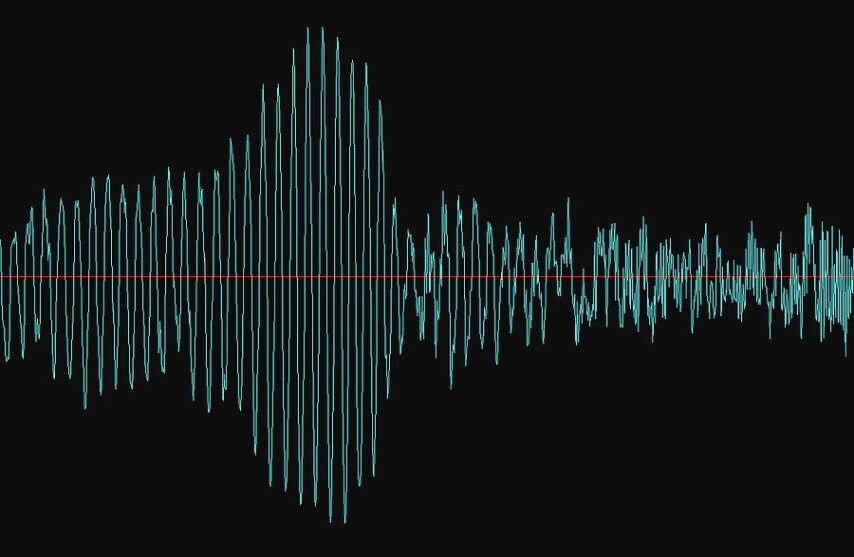
The crew of S/V One Ocean on their Around the Americas Expedition has partnered with BC Whales in their sharing of research and whale sightings. Janie Wray from BC Whales made a fascinating presentation about different types of whales along the Coast of British Columbia and shared the recorded sounds of whale communications. The presentation was hosted by “Exploring by the Seat of Your Pants” productions; you can tune in at https://www.youtube.com/live/7wfV3j-BXRc to watch the presentation and listen to the variety of whale calls recorded by hydrophones (underwater microphones that detect and record sound waves by converting acoustic pressure into electrical signals).
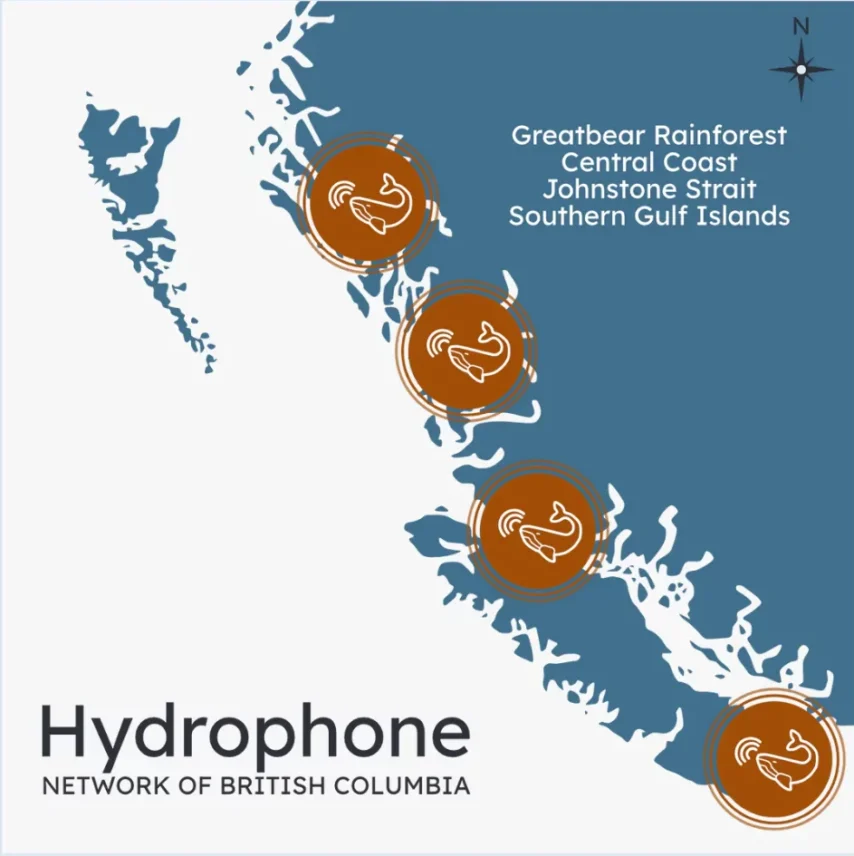
A network of hydrophones is located all along the BC Coast in conjunction with other organizations. These hydrophones have a cable that extends to on-shore solar panels and batteries that provide an off-grid power solution for monitoring underwater sounds 24/7.
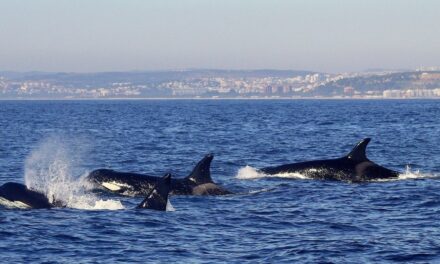
BC Whales has a Whale Research Station located on the southern tip of Fin Island, southwest of Hartley Bay in British Columbia, to study and record whales. Observations and recording of various whales include Humpback, Orca, Biggs (Transient killer whales), and Fin whales. Scientists are now able to use drones to check the health of whales and can easily see if whales are entangled by debris. A surprising 40-45% of whales become entangled. With drones that hold petri dishes, scientists can even collect “whale snot” and study the whale’s DNA.

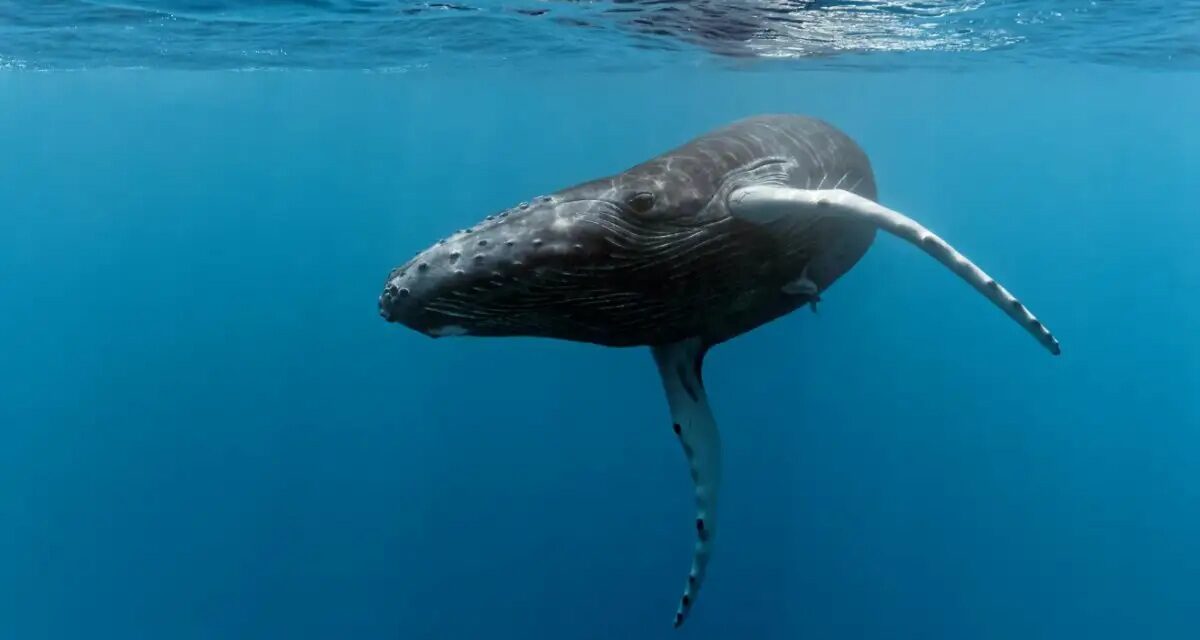
During the presentation, Janie Wray explains the social relationships and communications among different whale species – Biggs or Transient whales are very chatty during dinner; Resident whales pass on their language within the family, with each clan having a different dialect; Fin whales (2nd largest animal on the planet) make pulse-type calls, which can only be heard when the recording is sped up; Humpback whales make special sounds when “bubble feeding;” and male Humpback whales have special mating songs in the fall before migrating south. These mating songs change each year, and scientists do not yet know how the male Humback’s agree upon the same song, the song is sung for 20 minutes and then repeated.
Listen to all these fascinating whale communications and songs, and learn more fascinating facts about these different whale species on the YouTube video at https://www.youtube.com/live/7wfV3j-BXRc.
Header Photo: New Scientist
Maps & Images: BC Whales