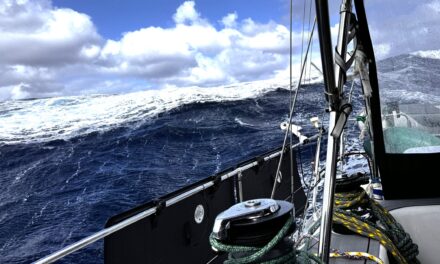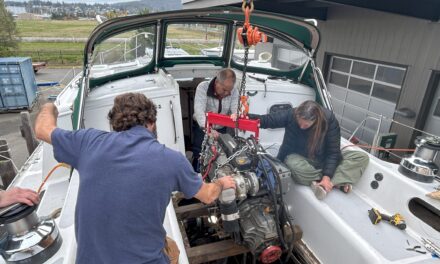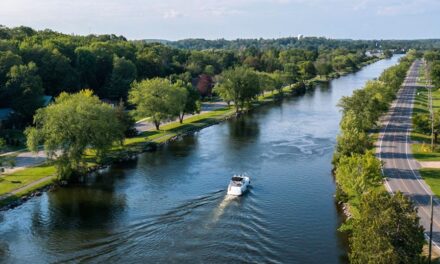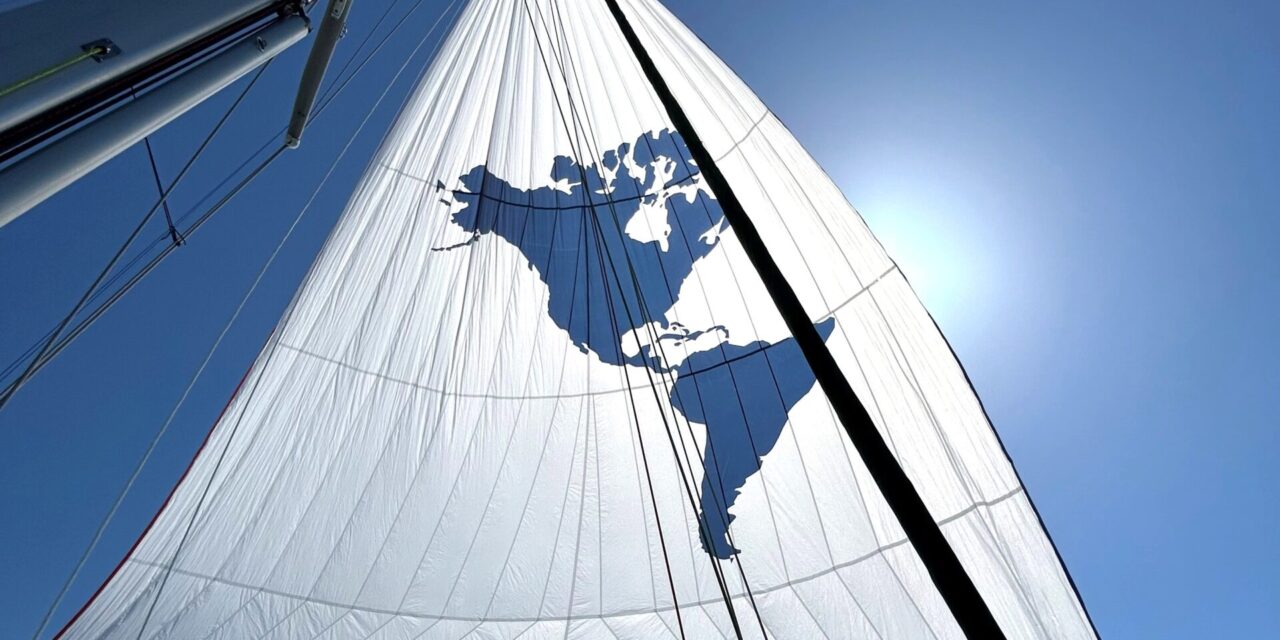
The crew of One Ocean, on their Around the Americas Expedition for science and education, made their first stop in Victoria to visit the International Seaweed Symposium and set up their educational and social media tent on Victoria’s waterfront.
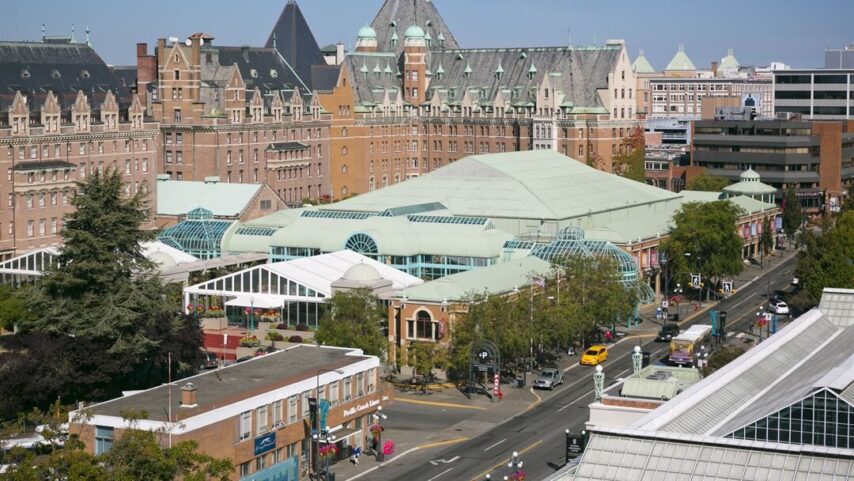
The crew of One Ocean visited with those who attended the International Seaweed Symposium in beautiful Victoria at the Victoria Conference Centre. Professionals, academics, students, and Indigenous peoples exchanged knowledge about all forms of seaweed. Workshops included the Kelp Forest Challenge, Seaweed Aquaculture, Seaweed Farming in Alaska and British Columbia, Edible Seaweeds, Ocean Medicine, and other topics of interest revolving around ocean forests, 750 participants attended the event. Doctorate Key Note Speakers from around the world included those from Australia, Canada, Chile, Denmark, Philippines, South Korea, Sweden, and the United States.
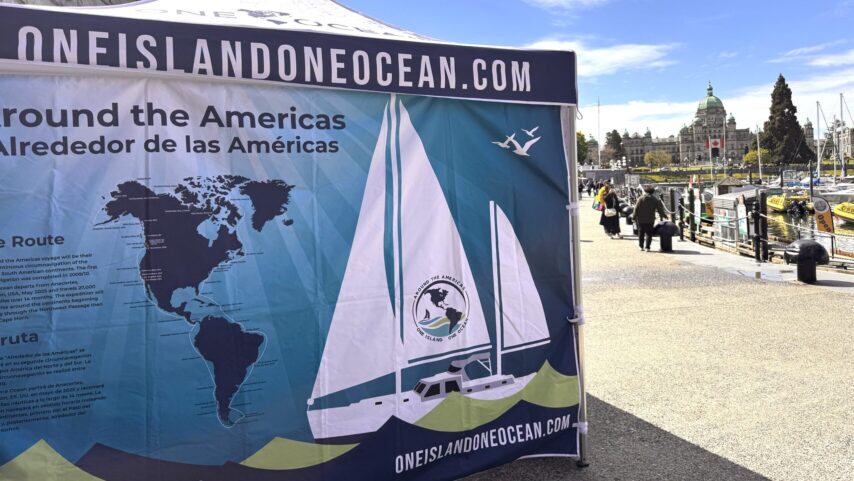
The crew of One Ocean shared information about their Around-the-Americas Expedition for science and education with many attendees of the International Seaweed Symposium and with the general public in Victoria. The crew’s portable classroom tent was set up along Victoria’s waterfront promenade, attracting visitors who expressed their interest and support for the Expedition.
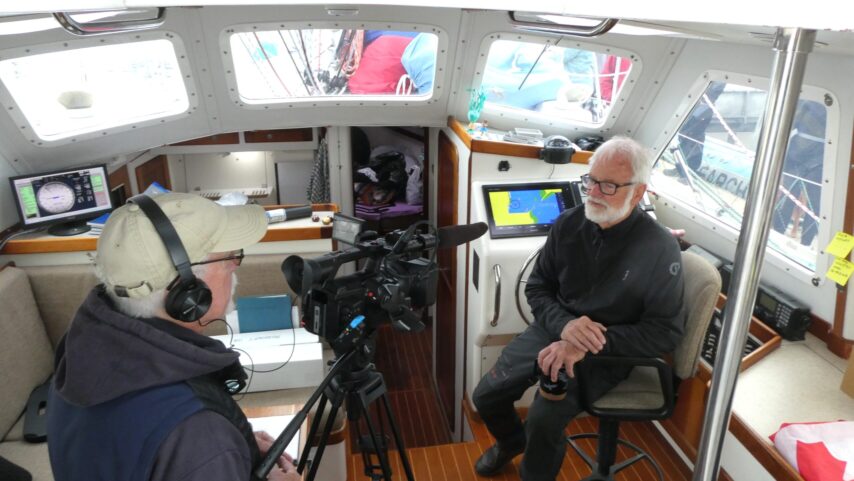
The crew was interviewed by Times columnist Jason D’Souza, CBC Radio, and Victoria University News, along with the opportunity to speak with Dr. Maycira Costa with the University of Victoria.
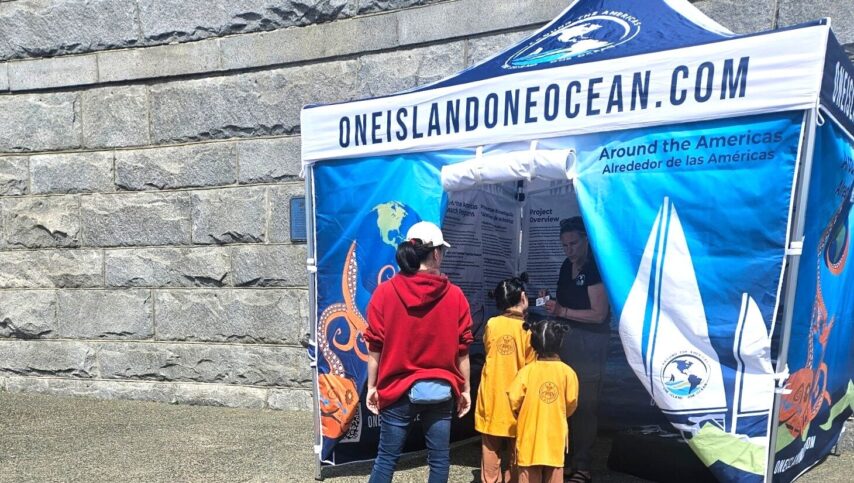
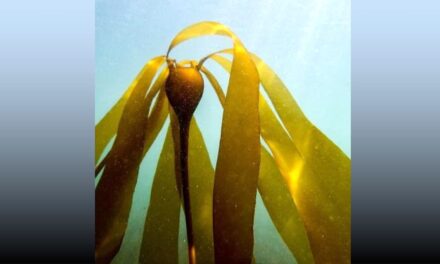
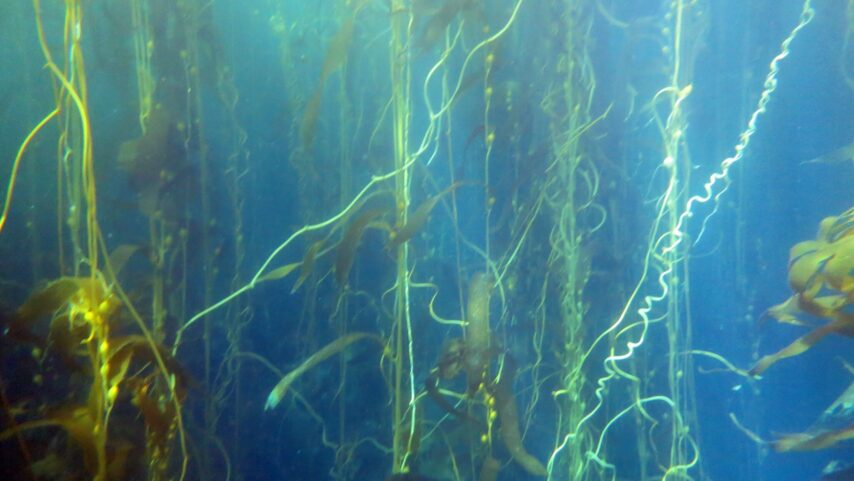
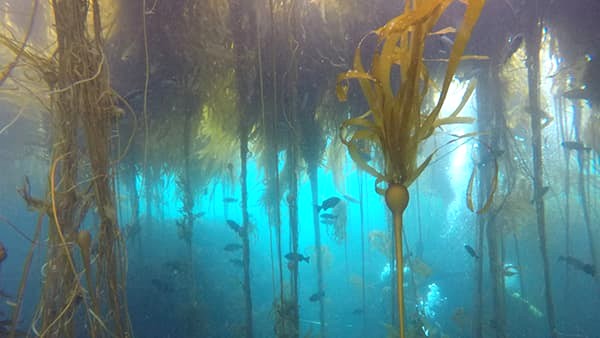
The Crew’s Mission. The study of Bull Kelp and Giant Kelp around the Americas plays a major role in the crew’s scientific quest. Kelp sampling, mapping, imagery, kelp depth profiles, and the presence of sea urchins and stars are among their extensive research goals. Bull Kelp, considered the forests of the ocean, serves as the canopy under which countless other seaweeds grow. Giant Kelp also plays a vital role in maintaining healthy ecosystems, and its alginate is used in products like food, pharmaceuticals, and cosmetics.
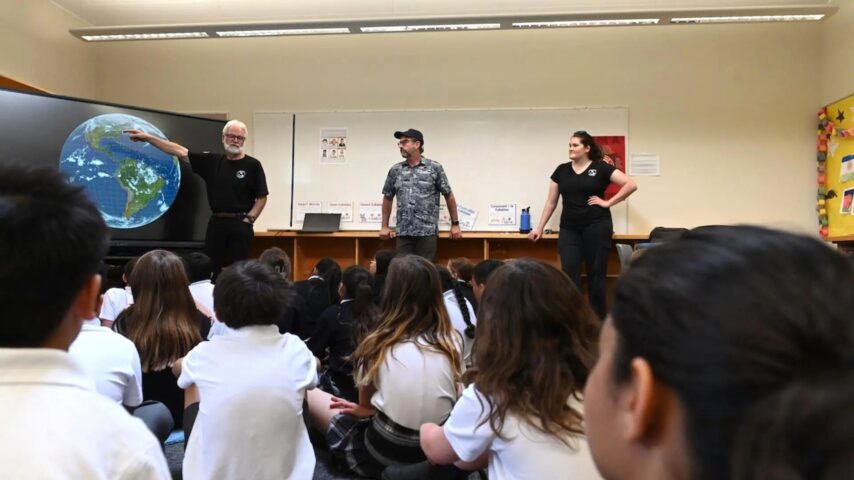
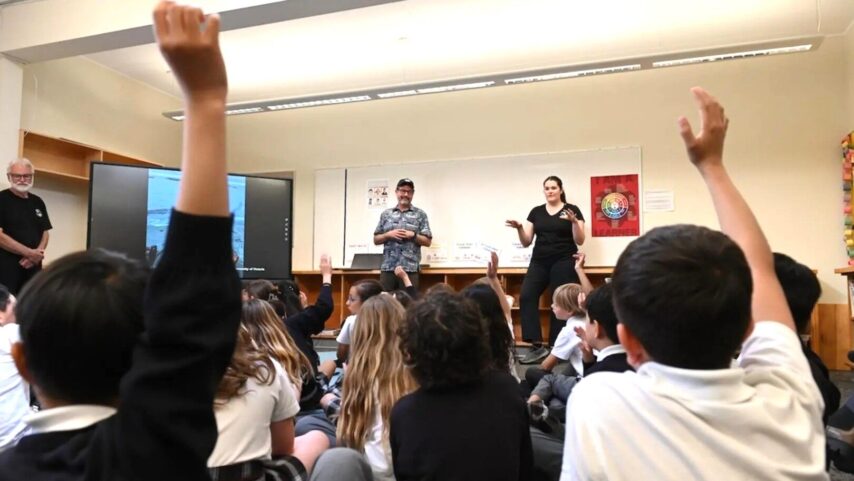
Classroom Presentation. The crew of One Ocean made a classroom presentation regarding their voyage to the 4th grade class at St. Michaels University School (SMUS) in Victoria, which coincided with the start of the students’ Ocean Stewardship unit of study. Crew member and scientist Grace Dalton explained her research of giant and bull kelp along the west coasts of North and South America. The students were honored to be the Expedition’s first school stop and were inspired to ask questions, demonstrating their curiosity and excitement to learn more.
Bull Kelp and Giant Kelp Differences. Bull Kelp has a single, large bulbous float supporting many blades, while Giant Kelp has numerous, smaller pear-shaped floats along its stem. Bull Kelp is considered an annual alga and Giant Kelp is a perennial species.
Followers of the vessel One Ocean can learn more about the crew’s adventures and discoveries at www.oneislandoneocean.com; live classroom resources for students and educators will be made available via the online platform, “Exploring by The Seat of Your Pants.”
Photos: by Around the Americas Team
Conference Centre by “Eventective”
National Marine Sanctuaries kelp photos
Classroom photos by Ali Baggott, SMUS Marketing Dir.
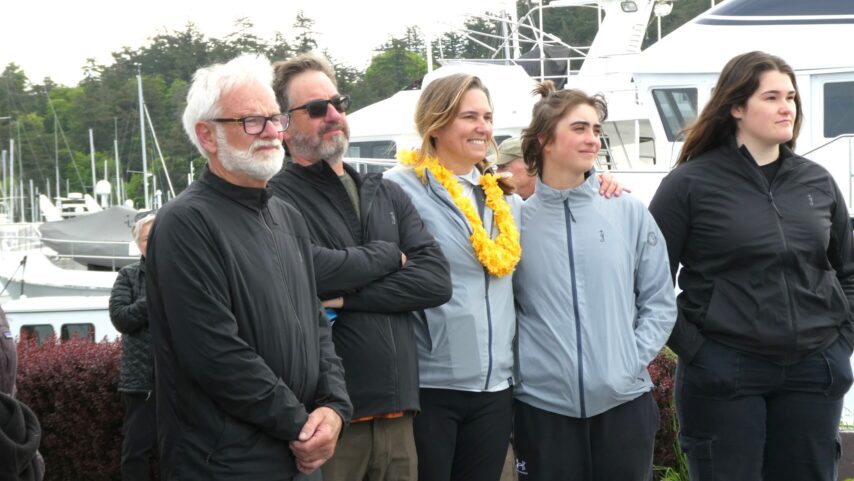
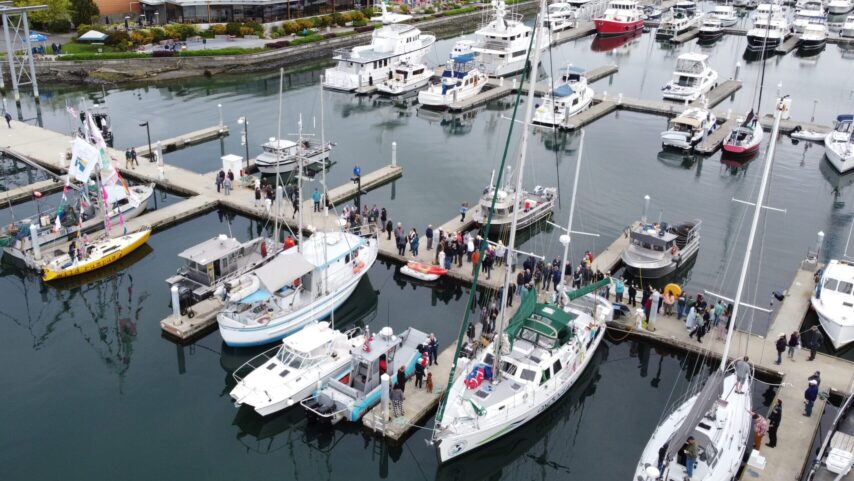
We have included a few photos below for fans of the Around the Americas Project who were not able to attend the Sendoff and Launch of One Ocean from Anacortes, WA held in early May – sendoff photos by Lorena and Leonard Landon.