Those who boat year-round know that choosing a well-protected anchorage is an important decision. Winter storms and windy conditions add to the challenge of getting a good set on your anchor. Knowing the forecast for windspeed and direction will determine which bay and which side of the bay is best for a good night’s anchorage.
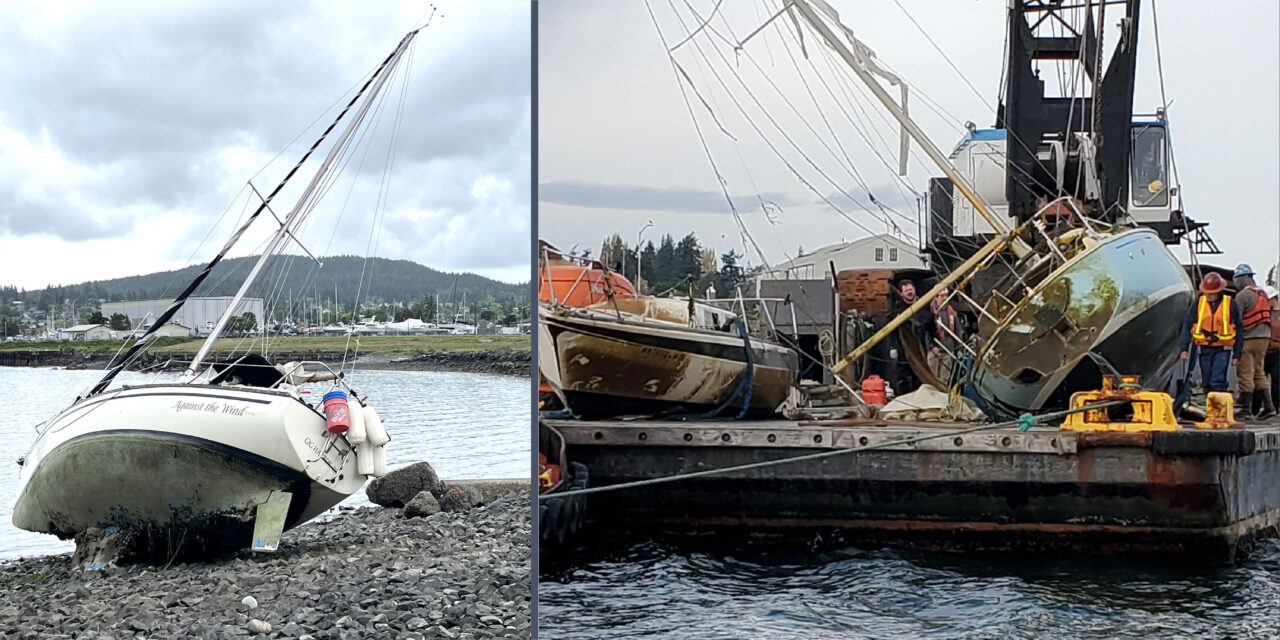
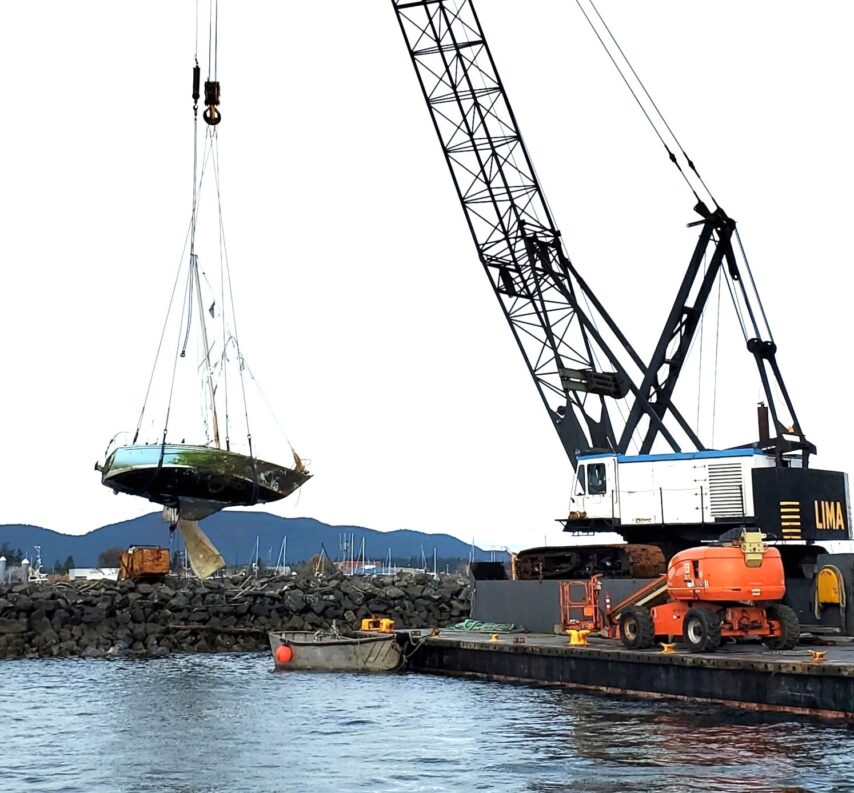
Some bays can be riskier than others for anchorage during the winter months. Fidalgo Bay at Anacortes for example is fully exposed to southeast weather patterns. Eelgrass and soft sediments in the bay can also make for poor holding during winter storms. During these conditions, the Port of Anacortes has had to respond to vessels dragging anchor or washing up on the beach or rock breakwater. The port would like to remind boaters to take additional precautions when anchoring in exposed areas, including Fidalgo Bay. In the recent November wind storm, “it was another round of boats on the rocks” said John Dumas, Director of Operations for the port.
Taking into account sediment makeup and weather conditions, the port is considering the creation of a voluntary no-anchor zone. The Port of Anacortes has partnered with Northwest Straits on expanding voluntary no-anchor zones to include Fidalgo Bay, with the intent of protecting eelgrass, marine habitat, and keeping boats safe. For more information about the importance of eelgrass and voluntary no-anchor zones, go HERE.
The Northwest Straits Foundation is a leader in restoration projects working in conjunction with government agencies and non-profit organizations. The foundation helps plan, manage, and provide field support for shoreline projects throughout several counties in Washington State. Additionally, they sponsor a derelict fishing gear removal program to protect marine animals. There are a number of projects that offer opportunities for citizen volunteers, see their website to learn more.
Photos Credit: Port of Anacortes