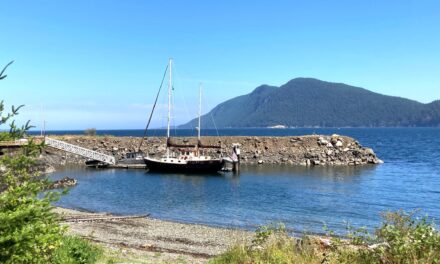
The Washington Dept. of Ecology is managing 12 sites in the Bellingham Bay area, all on or near the waterfront. Two cleanup sites have been completed and the other 10 sites are on the way to completion. The Port of Bellingham and the City of Bellingham, along with others are doing the cleanup work under agreements with the Department of Ecology.
A major cleanup of the I & J Waterway, a three-acre site next to the Hotel Bellwether, is scheduled to begin this coming summer, 2024. The area contains contaminated marine sediments from the remains of various industrial activities over the past hundred years. To be in compliance with the State’s toxic cleanup laws, the Port has targeted this area and others to be cleaned up and restored. The Model Toxics Control Act (MTCA) is Washington’s environmental cleanup law, which provides the requirements and sets standards to protect human health and the environment.
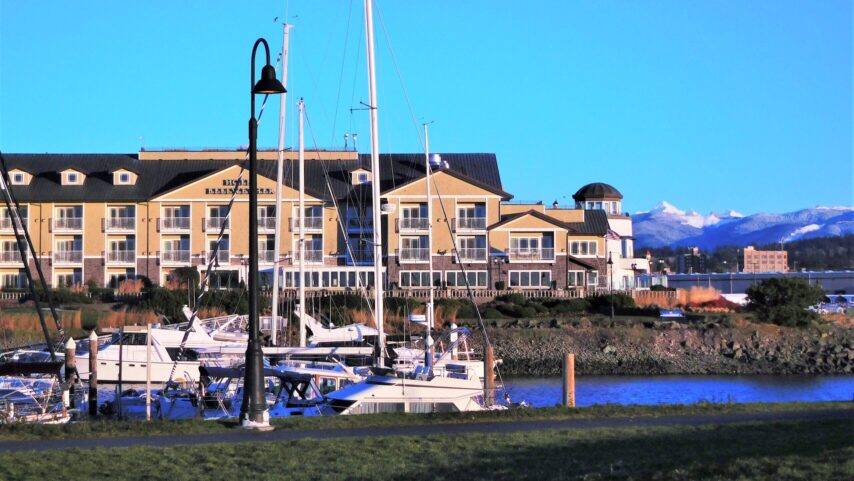
Early industries of Port tenants along the I & J Waterway included a former lumber mill operation (1900s-1972), a rock-crushing plant (1963-1992), and a frozen food processing plant (1946-1959). A seafood processing plant is currently within one of the cleanup sites and has been in operation since 1959. Contaminates found in the marine sediment include mercury, phenols, nickel and other chemicals like PAHs, a class of chemicals that occur naturally in coal, crude oil, and gasoline.
Other cleanup sites that have been completed or are in progress under the Dept. of Ecology include:
- Olympia, Budd Inlet
- Everett, Port Gardner Bay
- Anacortes, Fidalgo & Padilla Bays (productive eelgrass areas)
- Port Angeles Harbor
- Port Gamble Bay and Mill Site
To learn more about the Bellingham Bay cleanup sites, click HERE.
Header Photo: Dept. of Ecology