While the Canada-U.S. border remains the longest “undefended” international border, security and scrutiny has recently increased for people crossing the border. Boaters this season need to be prepared, more than ever, to make sure the crossing is as uneventful as possible. Both sides of the border have more rigorous reporting requirements and inspections.
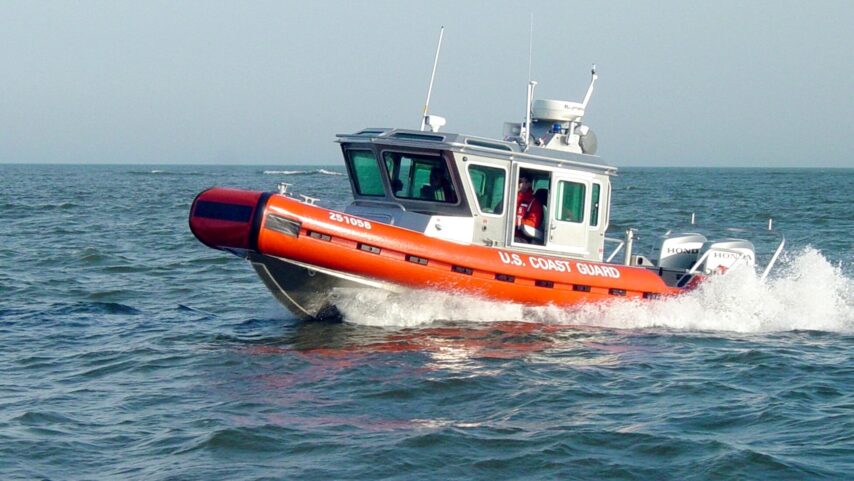
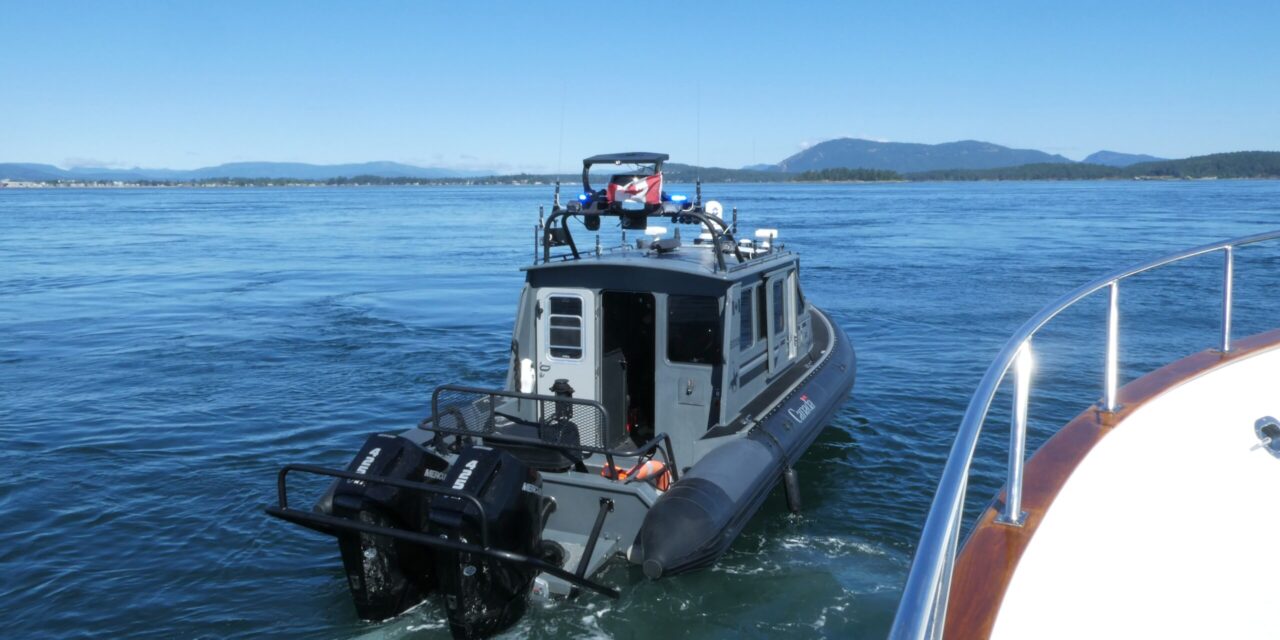
In 2025 U.S. Customs and Border Protection began enforcing dormant regulations and tightened scrutiny of individuals crossing the border. On the U.S. side of the border, boaters might be contacted or stopped by: U.S. Coast Guard, Sheriff, Washington Department of Fish and Wildlife, and harbor patrol.
This season Canada Border Services Agency increased the scrutiny of boaters entering Canada. RCMP Police have increased activity in stopping and inspecting boats and boaters underway in B.C. waters. On the B.C. side of the border, boaters might be contacted or stopped by: CBSA, RCMP Police, and harbor patrol.
Boaters more than ever need to be prepared with all the required documents, certifications, and safety devices. Have all the needed information at the ready and be prepared for a greeting and boarding.
Here is a partial list of things to have at the ready:
- Passports and Photo IDs
- Nexus Cards if enrolled in the program
- Vessel Documentation papers
- Boater Education Cards
- Coast Guard approved Lifejackets for all on board, sized for each person (children under 13 must wear lifejackets when outside on deck).
- Fire Extinguishers as required for specific sized vessels and specific fire-type emergencies (inspected and dated on the canisters).
- Oil Discharge Placard posted on board (No Discharge of Oil in Navigable Waters).
- Solid Waste Management Placard (how garbage is to be handled and disposed of)
- CDC Dog Import Form when entering the U.S.
- AIS (Aquatic Invasive Species) Permit for non-resident boaters of Washington State entering Washington State waters.
- Radio Station Authorization – registered for the vessel with FCC (Federal Communication Commission) in the U.S., or the equivalent ISED (Innovation, Science, and Economic Development) for Canadian boaters.
- Restricted Radio Telephone Operator’s Permit (FCC) to operate a VHF Radio, or the equivalent Restricted Operator Certificate – Maritime (ROC-M) for Canadian boaters. Though not strictly enforced, it is best to have this license/documentation with you.
The busy summer season is often the time when new agents are in training, prompting additional stops for questioning boaters. If you’re prepared and have all of the required documentation and safety equipment, you will be in good stead.
Boaters should keep in mind that different customs agents may ask to see different things. The officer or agent on duty is the one that makes the final determination regarding what is required and allowed on board. Being respectful, cooperative, and friendly will go a long way to ensure a pleasant experience if stopped and/or inspected.
Header Photo: Lorena Landon
U.S. Coast Guard Photo: DVIDS