Scientists have predicted a very strong El Nino for the Pacific Northwest this fall/winter and that a series of pulses of warm water called Kelvin waves could intensify the impacts of El Nino.
El Nino. The warming phase of the sea surface temperature is known as El Nino while the cooling phase is known as La Nina. El Ninos form when the trade winds along the equator change direction – winds blow toward Asia, then reverse direction back toward the east until hitting South America. The unusually warm temperature at the equator pushing east, then heads south and north along our coast.
Effects of El Nino. Warmer-than-average temperatures reduces overall precipitation and poor mountain snowpack; however, occasionally a heavy rain event can slip through, increasing the risk of flooding and landslides. At the same time, low snowpack can mean a drought in 2027.
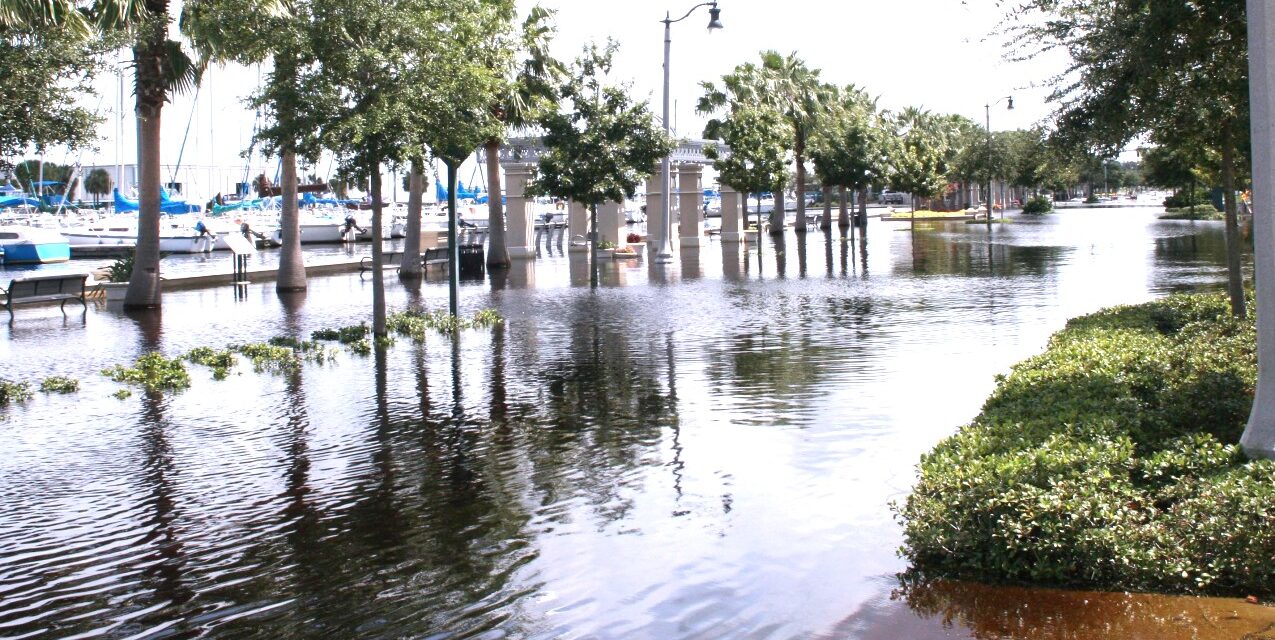
Kelvin Waves. These waves are bulges of water that lift the sea level as they move along the coast, they are common during El Nino events. These waves are not visible to the naked eye nor do they affect boats at sea, but can raise the sea level by 6-12 inches depending on storm surges and high tides as they move along the coast. Scientists predict that these Kelvin waves will continue to pass through until the end of November.
Effects of Kelvin Waves. Typically, an El Ninos is associated with five or six of these Kelvin waves. During the last major El Nino in 2015-2016, there were five such waves. Communities already dealing with coastal erosion may see higher sea levels that exacerbate the problem. The higher sea level combined with larger than average waves from the North Pacific swell are expected during the El Nino. Over the years, loss of protective beaches and the impact of waves have increased the risk of property damage and infrastructure.
Conclusion. Actual damages from Kelvin waves will depend on the magnification of storms and tides by El Nino. It’s believed that this El Nino is on a trajectory to be one of the largest seen to-date. Authorities in California have begun placing emergency sandbags on beaches. In Washington State, the Dept. of Natural Resources (DNR) coordinates efforts with the State Emergency Management Division, though special preparation instructions have not been provided to DNR at this time.
Photo Credit: NOAA